
In the quiet, sun-baked village of Kabadheere, home to a Somali pastoral community, 65-year-old Maryan begins her mornings in the same place she has stood for decades: the livestock market. The dust, the voices, the bargaining, the goats and sheep, which have always been her world. But for years, despite her tireless work, the income she earned was barely enough to sustain her household. A pattern of worsening droughts, fueled by the climate crisis, made it even harder. When animals lost weight due to lack of pasture and water, market prices dropped, and so did Maryan’s hope.
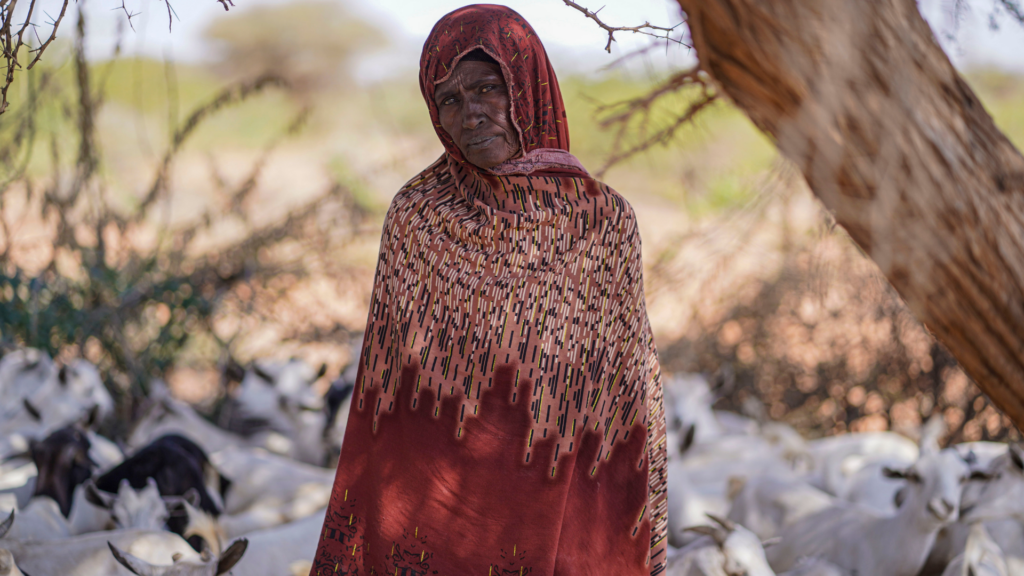
“I worked every day,” she says, “but the income was always small. It was never enough.”
Yet Maryan never stopped trying. A mother devoted to her family, she carried the weight of responsibility quietly, always looking for a way to keep going.
Unlocking Opportunity Through VSLA
Life began to shift for Maryan when she was selected to join Danwadaag, the village’s VSLA group, after meeting the program’s criteria. The moment meant more to her than she expected. She quickly embraced the opportunity, investing time and effort in the group’s activities to strengthen her livelihood.
“I felt grateful,” she explains softly. “It was a chance… something new for me and my family.”
Danwadaag meets monthly, with members saving together and offering each other rotating loans: a simple system that builds trust, discipline, and opportunity. With decades of experience in livestock trading, Maryan understood the market well, but lacked the capital to act strategically. When Maryan received her $350 loan, she invested it in stages, about $100 every two months, allowing her to buy animals when market conditions were right while saving the rest for future opportunities.
That decision opened a new chapter.
Growing Her Business Even Through the Drought
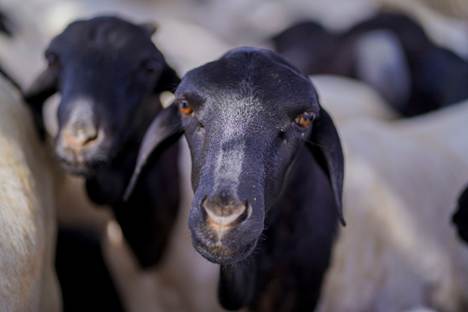
With the extra capital, Maryan was finally able to buy animals during low-price periods, giving her more bargaining power and helping her grow her livestock business with stability. Even though the ongoing drought continues to slow the market — animals lose weight, buyers hesitate, and many households struggle — Maryan now stands in a stronger position. Both her income and her confidence have grown. And for the first time in years, she feels stability on the horizon.
“I work proudly now,” she says. “I feel hopeful.”
Looking Ahead
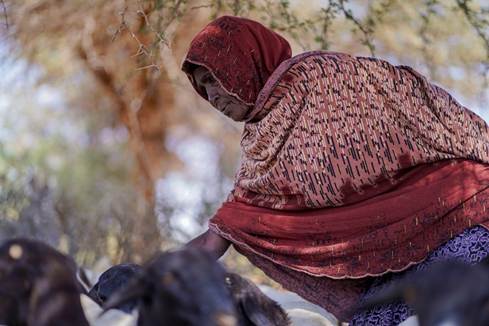
Although she keeps her dreams close to her heart, Maryan hopes to strengthen her livestock business further. She mentioned how important proper animal care is, including access to vaccinations and good animal health services — especially in a place where drought threatens every household’s survival. Her hopes are simple, but meaningful: to continue working, earning, and supporting her loved ones with dignity.
Maryan’s journey is a powerful reminder of what a small opportunity can spark, especially for women who carry the backbone of rural economies.
Strength in Community: Danwadaag VSLA
Maryan
is not walking this path alone. Her group consists of 20 women: 10 of them run
small shops, from tea stalls to general stores, while the other 10 work
alongside her in the livestock market.
This sense of togetherness in this group, danwadaag, meaning “sharing
interests,” is what keeps their village resilient through drought, uncertainty,
and economic hardship.
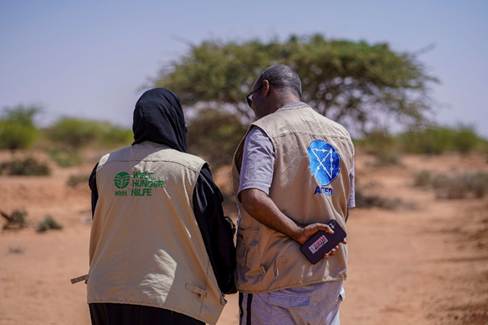
© Welthungerhilfe/Abdirahman Aleeli, 2025
This initiative is part of the joint Alliance2015 project “Systemic climate-change resilience for food, fodder and water security for vulnerable communities in Burao Somaliland”, implemented by Welthungerhilfe (WHH) and Acted. Through Village Savings and Loan Associations, livelihood support, and drought-resilience activities, the program strengthens rural communities like Kabadheere village, ensuring women like Maryan have access to financial tools, skills, and opportunities to build stable futures for their families.
Author: Aisha Abdoulrazack Hussein , WHH
