

Every day, humanitarian workers and local communities around the world respond to crises that can change lives in an instant. Conflict, displacement, natural disasters and climate-related shocks are leaving millions of people in need of assistance and protection. Behind every emergency are people making difficult decisions, rebuilding after loss and finding ways to support one another despite extraordinary circumstances.
World Humanitarian Day, observed every year on 19 August, honours humanitarian workers who put their lives at risk to help others and commemorates those who have lost their lives while serving people affected by crises. It is also an opportunity to recognise the strength, dignity and resilience of the communities at the heart of humanitarian action.
For Alliance2015, humanitarian action means more than responding when disaster strikes. It means working alongside communities to meet urgent needs, protect dignity, strengthen resilience and create pathways towards recovery.
Responding when crisis strikes
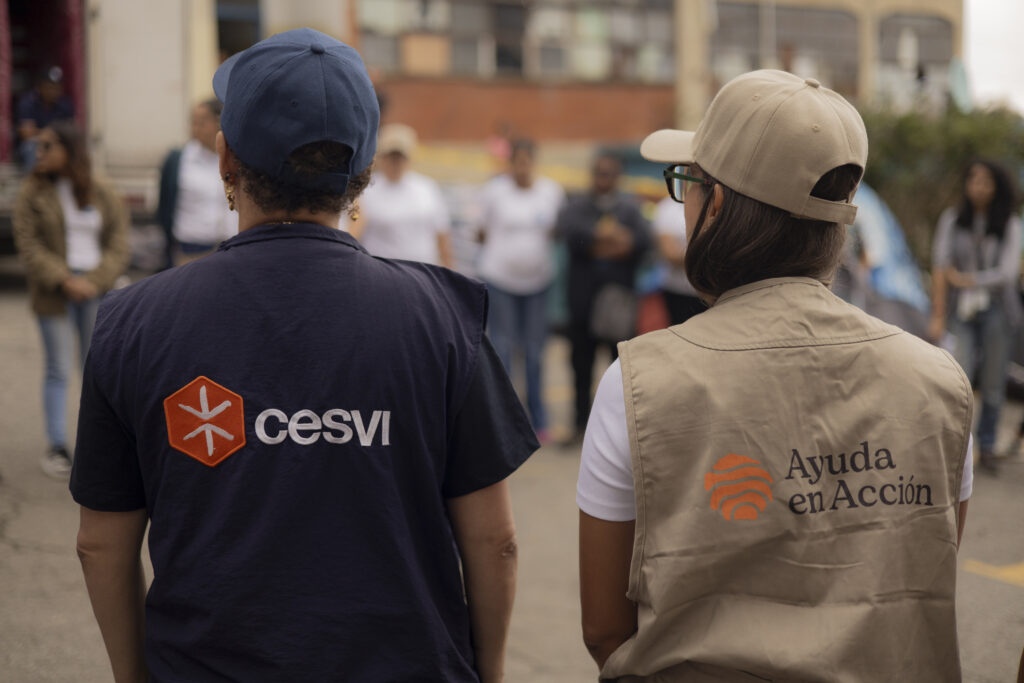
In Venezuela, following the devastating earthquakes that struck the country in June, Alliance2015 members rapidly mobilised to support affected communities in Caracas, La Guaira and surrounding areas.
Acted, CESVI and Ayuda en Acción have been delivering emergency assistance to families facing displacement, damaged homes and disrupted access to essential services. Their response has included food, safe drinking water, hygiene and dignity kits, emergency shelter materials and household items, alongside protection and psychosocial support for people experiencing trauma and displacement.
The response has brought together the operational presence of members already working in Venezuela with resources and expertise mobilised across the wider Alliance2015 network. Welthungerhilfe and Concern Worldwide have contributed financial resources, while Helvetas and People in Need have also mobilised teams, funding and support for affected communities.
This collective approach demonstrates the strength of humanitarian action when organisations combine their capacities and work closely with local partners and communities.
Keeping humanitarian action going in protracted crises
In Gaza, where the humanitarian crisis continues to affect families despite the ceasefire, Alliance2015 members are working to address urgent needs while supporting access to food, safe water and essential nutrition services.
People in Need, together with Welthungerhilfe and CESVI, local partner JUZOOR, and with support from the Ministry of Foreign Affairs of the Czech Republic and the SOS Gaza Emergency Appeal, is supporting nutrition centres that screen children under five and pregnant and lactating women for acute malnutrition and provide treatment, counselling and awareness sessions.
In September, 801 children under five and pregnant and lactating women were screened, with one in five people identified as suffering from acute malnutrition and admitted for treatment. Alongside nutrition services, Alliance2015 partners are supporting water trucking across 21 sites, providing sustained access to safe water for 11,761 people.
The response is also designed to give families greater choice in meeting their nutritional needs. Food vouchers for families enrolled in nutrition treatment programmes allow them to purchase a more diverse range of food, while community baking ovens help families access fresh bread and strengthen local food security.
In a crisis where displacement and the destruction of livelihoods continue to shape everyday life, these interventions show how humanitarian action can go beyond immediate assistance — supporting people’s health while restoring a measure of choice, dignity and control.

From emergency to recovery
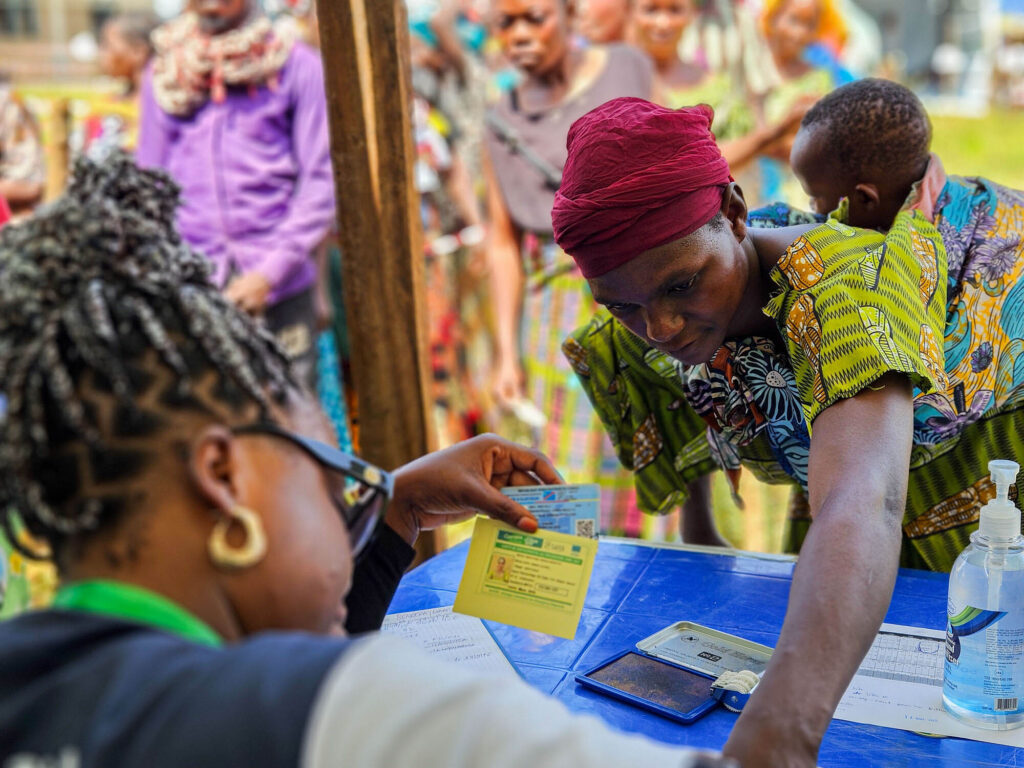
In eastern Democratic Republic of the Congo (DRC), Alliance2015 members Concern Worldwide and Acted are supporting communities affected by conflict and displacement through different programmes addressing both immediate needs and longer-term recovery.
Through the SAFER programme, they provide rapid humanitarian assistance, including unconditional cash support that allows displaced people, returnees and host communities to decide how best to meet their most urgent needs. In 2025, 156,143 people received cash assistance.
Through the EAST consortium, Concern and Acted also support longer-term recovery through livelihoods, health and nutrition, protection and inclusion. Between April 2025 and March 2026, more than 4,300 people received support to start businesses.
One of them is Alice, a mother of five who was repeatedly forced to flee because of conflict. With support from a Village Savings and Loans Association, she restarted her dressmaking business. Today, she owns five sewing machines and has trained six people, helping other women build livelihoods of their own.
From emergency cash assistance to opportunities to rebuild, these programmes demonstrate how humanitarian action can support people through different stages of crisis while recognising their agency and resilience.
Building resilience and putting communities at the centre
Humanitarian action does not begin when a disaster strikes. In Haiti, Alliance2015 member Helvetas is demonstrating how investing in resilient infrastructure, inclusive governance and local leadership can help communities prepare for and withstand future crises.
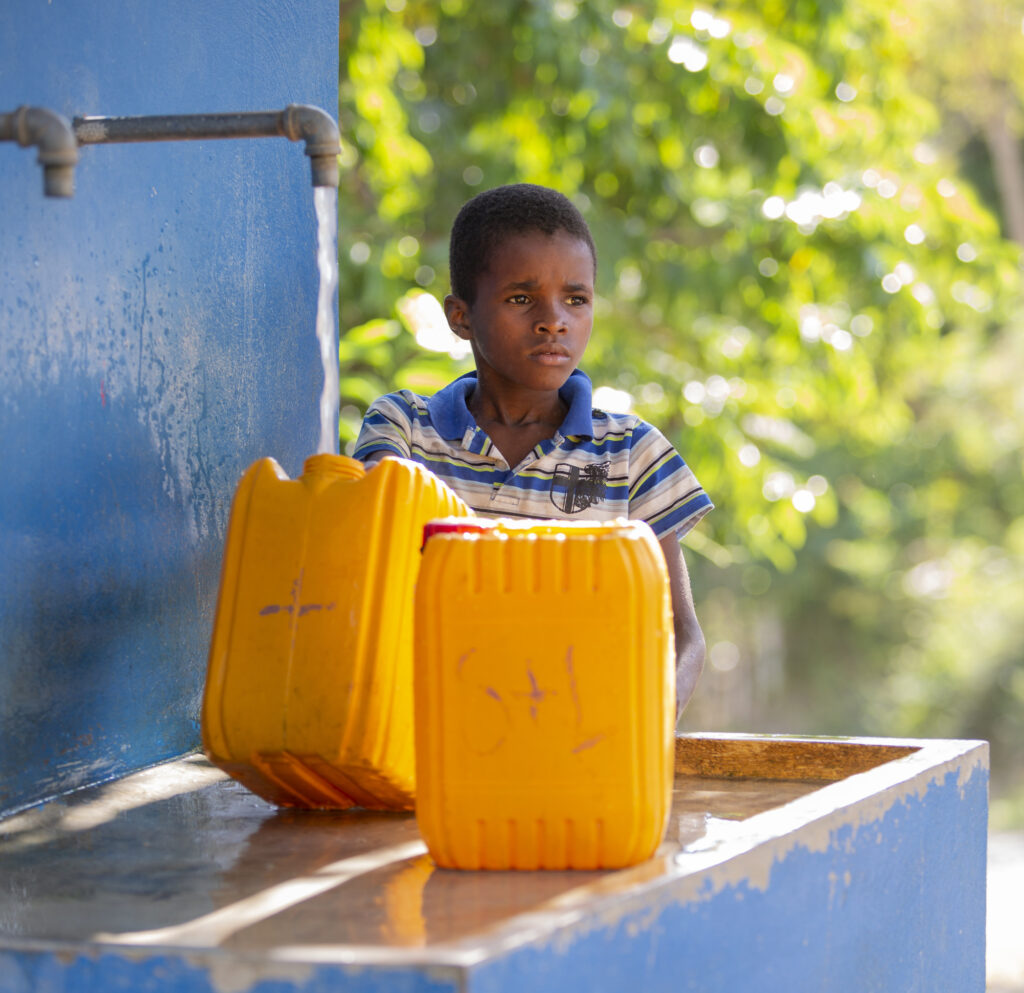
In Marigot, two neighbouring drinking water systems faced the same Hurricane Melissa in October 2025. One continued supplying water to its community; the other was forced out of service. The difference was the investment made before the storm.
The Médée water system had benefited from measures to protect both its water source and its infrastructure, including slope stabilisation, vegetation restoration, protected water infrastructure and community-based watershed management. When the hurricane struck, the system sustained limited damage and continued providing water to approximately 1,800 people, while also helping supply part of a neighbouring community whose own water system had failed.
The experience demonstrates the value of investing in disaster risk reduction before an emergency occurs. Protecting essential infrastructure can reduce damage, lower recovery costs and help ensure that communities continue to access vital services when they need them most.
But resilience is not only about infrastructure. Through its work on water and sanitation governance, Helvetas has also supported communities in strengthening local decision-making and ensuring that women and vulnerable groups have a greater voice in how essential services are managed.
Women have been supported to take leadership positions in water user associations, while local women’s organisations have helped ensure that gender equality and social inclusion are incorporated into planning and governance. The approach recognises that sustainable solutions depend on the people who use and manage these services — and that communities themselves must have a meaningful role in shaping them.
Together, these efforts demonstrate that humanitarian action can help communities not only withstand crises, but build stronger and more inclusive systems for the future.
Humanity in action
From emergency response after an earthquake in Venezuela, to nutrition and food security support in Gaza, cash assistance and livelihood opportunities in eastern DRC, and resilience and inclusive governance in Haiti, Alliance2015 members are working across different crises and contexts with a common purpose: to support people affected by crisis with dignity, while strengthening their ability to recover and build a more resilient future.
Humanitarian action is ultimately about people. It is about being there when families are forced to flee, when homes are destroyed, when essential services collapse and when communities face crises that may last for years. But it is also about recognising the strength and agency of those communities, and working alongside them to ensure that they can recover, rebuild and thrive.
On World Humanitarian Day, Alliance2015 stands in solidarity with the millions of people affected by crises around the world and pays tribute to the humanitarian workers and local actors who continue to support them, often in extraordinarily difficult and dangerous circumstances.
Together, we remain committed to putting humanity into action, before, during and beyond crisis.
