

On April 8, 2026, the Government of Liberia, through the Minister of Agriculture, Hon. J. Alexander Nuetah, officially launched the 2025 Global Hunger Index (GHI) report at the Monrovia City Hall. In a significant step, the Minister of Agriculture, introduced two additional national frameworks: the Comprehensive Food and Nutrition Survey Report and the Liberia Preparedness Plan for Food and Nutrition Crises.
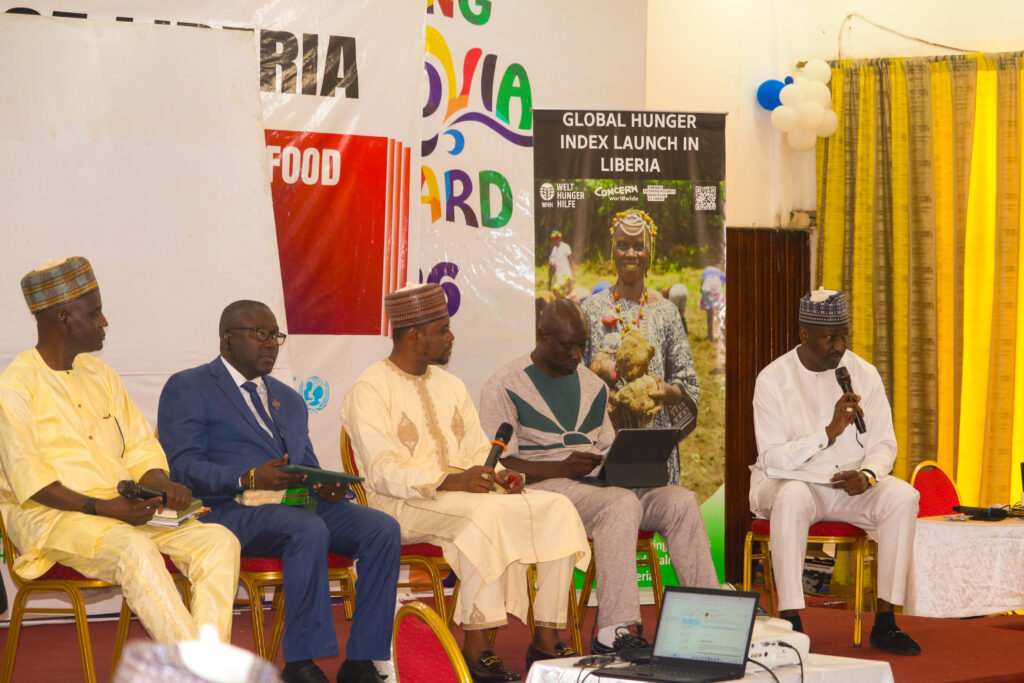
The event, co-hosted by Welthungerhilfe and Concern Worldwide, brought together representatives from major international organizations, including the World Bank Group, the IFAD (International Fund for Agricultural Development), the FAO (Food and Agriculture Organization), WFP (World Food Programme), and UNICEF (United Nations Children’s Fund). The Governor of Jigawa State, Nigeria, H.E. Malam Umar Namad, attended as guest of honour.
A Shift Toward Integrated Food Systems
Launching the three reports simultaneously marked an important shift on Liberia’s approach to food security. The launch combined global benchmarking, national data, and forward-looking crisis planning on one platform. In his remarks, Liberia’s Minister of Agriculture, Hon. J. Alexander Nuetah, emphasized that despite recent progress, major challenges remain. “We continue to face recurring shocks ranging from climate instability and economic pressures to other external factors that are affecting our food systems and putting many of our people at risk,” he said.
For Liberia’s food system, this signals a move away from treating hunger, nutrition, and emergency response as separate challenges. Instead, Liberia is advancing a more integrated approach that links data, policy, and preparedness under government leadership, recognizing that transformation requires more than agricultural production.
For an import dependence, climate vulnerable, and high rural poverty country, this approach strengthens the foundation for more effective, coordinated and evidence-based decision-making amongst the government and its development partners.
From Crisis Response to Preparedness
A key message of the launch was the transition from reactive response to proactive planning. The Preparedness Plan establishes a framework for early warning, coordinated response, and timely intervention. Its goal is to ensure action is taken before crises escalate and communities face deeper vulnerability.
At the same time, the Comprehensive Food and Nutrition Survey provide critical data on current conditions across the country. This evidence base will help guide policies and investments, making interventions more targeted and effective.
Strengthening Policy and Investment Alignment
The event elevated Liberia’s food security and nutrition agenda as a national development priority. The participation of major international partners underscored that hunger and nutrition are not isolated issues, but central to broader development efforts.
Their engagement strengthens policy credibility and can help mobilize political commitment, financing, and technical support. It also creates opportunities for improved coordination across sectors such as agriculture, health, social protection, and climate resilience. At the same time, the exchange highlighted the growing importance of South-South learning.
Learning from Regional Experience
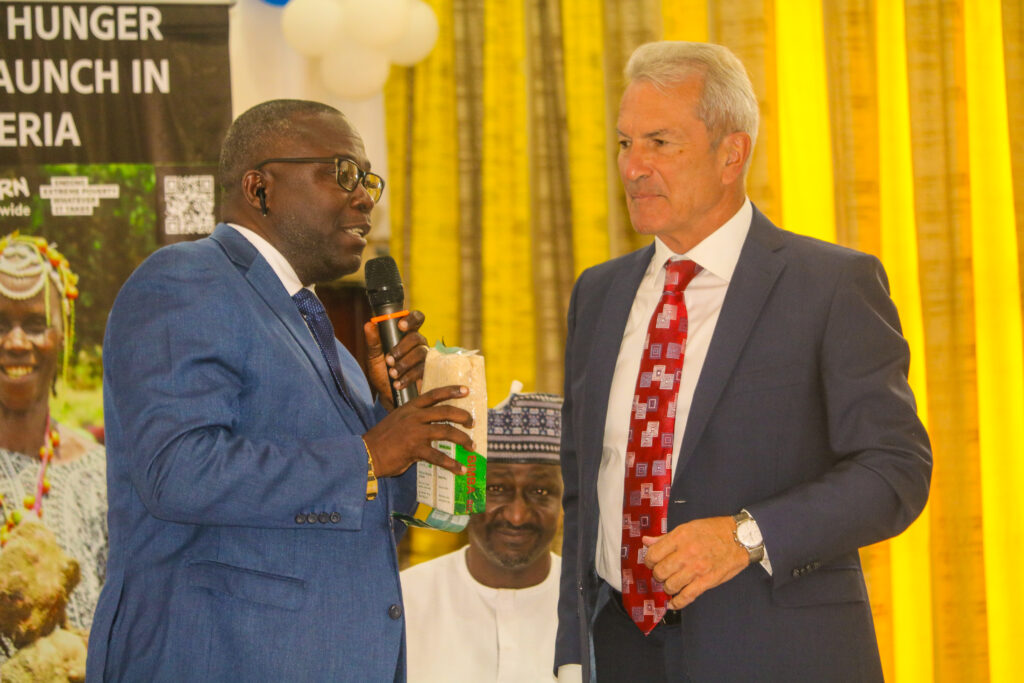
The participation of the Governor of Jigawa State, Nigeria, H.E. Umar Namadi, brought a practical regional perspective to the discussions. Drawing on experiences with rice self-sufficiency, he highlighted how political leadership, coordinated investment, and targeted support for farmers can help reduce dependence on imported staple foods.
In his remarks, H.E. Umar Namadi emphasized the importance of translating ideas into action: “Jigawa State and Nigeria have strived to bridge the gap between theory and practice despite the constraints of limited resources available to us. Our journey has been marked by modest efforts and hard-won lessons that we believe can inspire broader strategies across the African region.”
For Liberia, where rice is both a staple food and a major import, these insights demonstrate that agricultural transformation within Africa is achievable and can be strengthened through regional exchange and shared experience.
A Call to Collective Action
Across all contributions and discussions, it was still one clear message that emerged: stronger collaboration led by the government is critical to reduce hunger and malnutrition.
Key priorities include:
- Translating evidence into policy and practice
- Investing in resilient and sustainable food systems
- Prioritizing nutrition, especially for vulnerable groups
- Strengthening local systems such as markets and community institutions
- Ensuring women and youth are central to food systems transformation
Looking Ahead
The launch of the GHI 2025 report, alongside national data and preparedness planning, represents an important step toward a more resilient and nutrition-secure Liberia.
By aligning evidence, policy, and action, Liberia is laying the groundwork for long-term food systems transformation that moves beyond crisis response toward sustainable development.
Cover picture credit: Welthungerhilfe/Abu Sekou Feika International delegates pose for a group photo with Liberia’s Minister of Agriculture, Hon. Dr. J. Alexander Nuetah (fifth from left), the Governor of Jigawa State, Nigeria, H.E. Malam Umar Namadi (sixth from left), and the Ambassador of the Federal Republic of Germany to Liberia, H.E. Jakob Haselhuber (seventh from left), during the launch of the Global Hunger Index (GHI) 2025 in Liberia. The event highlighted a shared commitment to strengthening food security, agricultural transformation, and sustainable rural development.
