

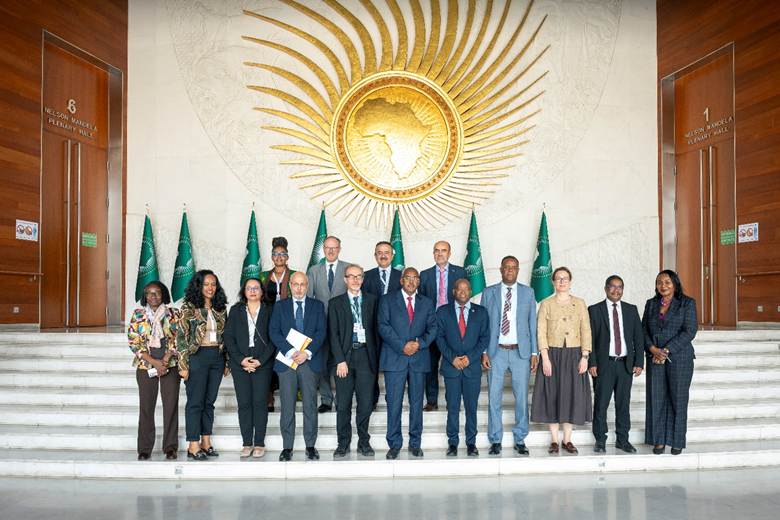
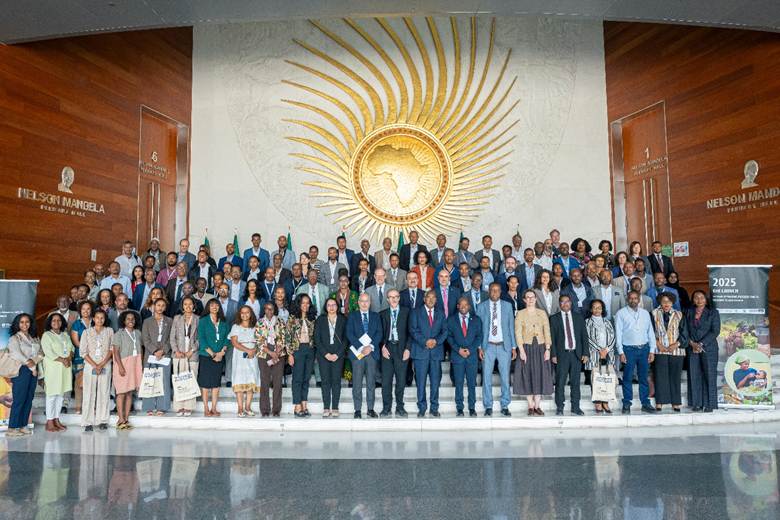
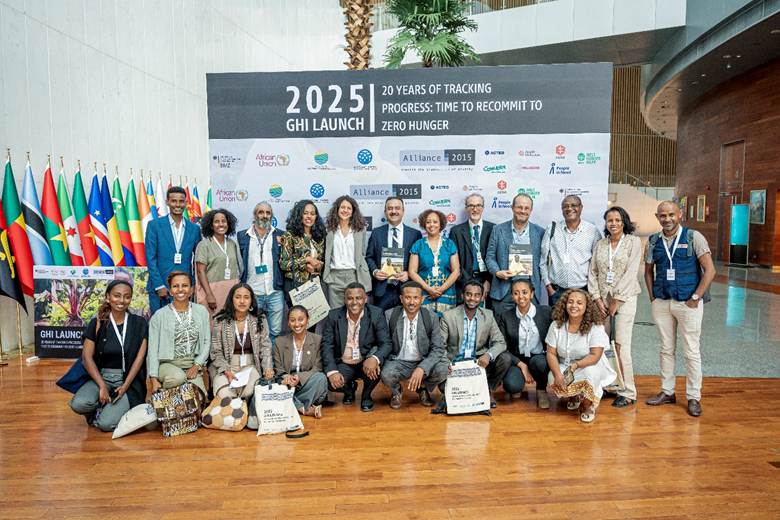
The Global Hunger Index (GHI) 2025 was officially launched on 10 March 2026 at the African Union Headquarters in Addis Ababa, Ethiopia. The event, held under the theme “20 Years of Tracking Progress: Time to Recommit to Zero Hunger,” was organized in collaboration with the African Union Commission, the Ministry of Agriculture, the Ministry of Health, and Alliance2015 members.
Bringing together more than 150 participants, the launch convened representatives from government institutions, development partners, civil society, research organizations, the private sector, and youth and women’s groups. Key international partners included FAO, WFP, the European Union, and EU Member States, alongside local implementing partners and academic institutions.
A Critical Moment for Global Food Security
First introduced two decades ago, the Global Hunger Index was founded on the idea that strong evidence, political commitment, and coordinated action could significantly reduce hunger. While notable progress has been achieved since 2000, the 2025 edition highlights growing concerns.
Global food security is under increasing pressure. Development funding is tightening, humanitarian systems are overstretched, and in many regions hunger is no longer declining. For communities already facing recurrent crises, these challenges continue to threaten livelihoods and long-term resilience.
Key Objectives of the Launch
The event aimed to:
- Present and discuss the main findings of GHI 2025 and their implications for Ethiopia and the wider region
- Highlight national efforts and commitments toward food and nutrition security
- Showcase the role of the Comprehensive Africa Agriculture Development Programme (CAADP) and other continental initiatives
- Foster dialogue among diverse stakeholders to identify pathways toward sustainable food systems
Ethiopia’s Progress and Ongoing Challenges
Ethiopia recorded a GHI score of 24.4, placing it in the “Serious” category. This marks significant progress compared to its score of 53.0 in 2000, previously classified as “Extremely Alarming.” However, recent trends indicate that progress has slowed.
Despite persistent challenges, Ethiopia performs better than several neighboring countries, including Kenya (25.9), Somalia (42.6), and South Sudan (37.5). This reflects the impact of sustained national efforts, even in a complex and evolving context.
Still, major obstacles remain. Chronic malnutrition continues to affect vulnerable populations, with 35.5% of children under five experiencing stunting. Conflict, climate shocks, and the rising cost of living—the “3 Cs”—are key drivers exacerbating food insecurity.
Global Trends: A Warning Signal
One of the most striking messages from the report is the slowdown in global progress. At the current pace, the world is projected to reach Zero Hunger only by 2137.
A major contributing factor is the imbalance in global priorities, with rising military expenditures increasingly overshadowing investments in food security and humanitarian assistance.
Leadership and Partnerships in Action
The launch brought together high-level representatives, including government officials, diplomats, and development partners, underscoring the importance of collective action.
A key highlight was the Seqota Declaration, a flagship Ethiopian initiative that integrates health, agriculture, and water interventions. The programme has already helped prevent stunting in over 110,000 children, demonstrating the impact of coordinated, multi-sectoral approaches.
A Call to Action
The discussions in Addis Ababa reinforced a clear message: progress is possible, but it requires renewed commitment and stronger collaboration.
Behind every statistic are real lives: children, families, and communities facing daily challenges. Turning evidence into action means investing in policies and programmes that reach those most affected and addressing the structural drivers of hunger.
As the GHI marks 20 years of tracking progress, the call is clear: now is the time to accelerate efforts and recommit to achieving Zero Hunger.
Consult the latest GHI report here.
Credits: A2015 Ethiopia
