

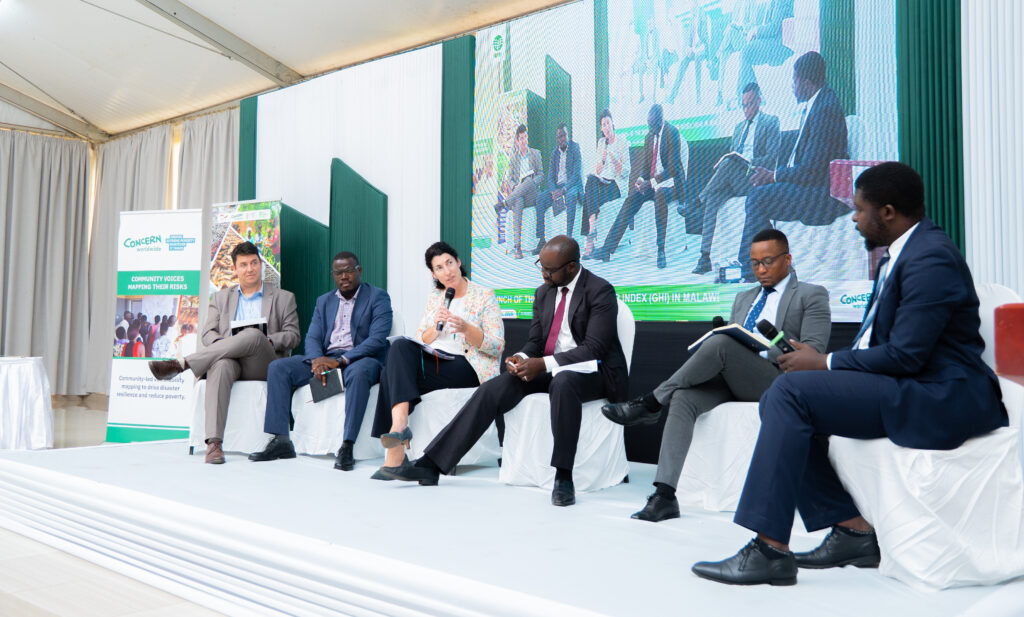
“Today marks the 20th anniversary of the Global Hunger Index, but it is not a moment for celebration. This anniversary is a moment of concern.”
With those words, on 15 April 2026, Sayyeda Salam, Executive Director of Concern Worldwide, opened the launch of the 2025 Global Hunger Index (GHI) in Malawi.
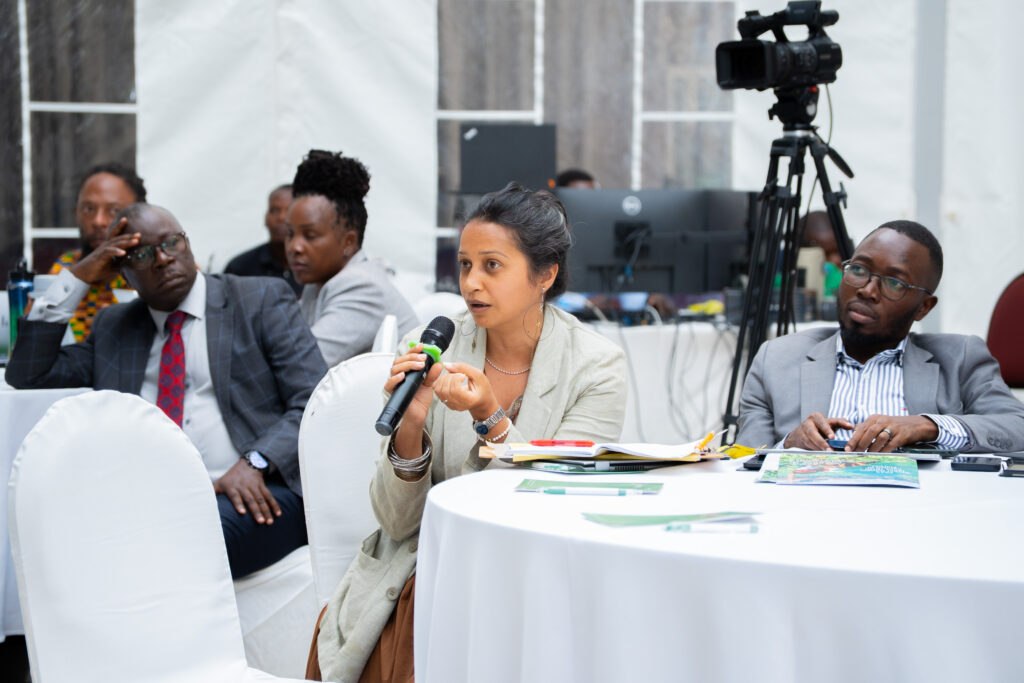
The anniversary offered an opportunity to reflect on how far Malawi has come in tackling hunger and where progress has stalled. Government representatives, development partners, researchers, civil society organisations and the private sector met to discuss what it will take to achieve Zero Hunger. Their discussions were grounded in the findings of the 2025 Global Hunger Index, which places Malawi in the “Serious” category, indicating that many households continue to struggle with food insecurity and malnutrition.
Throughout the discussions, one point resurfaced constantly: “Hunger is not simply a production problem. It is a systems problem,” Salam said.
That distinction framed much of the discussion that followed.
For many years, improving food security has largely meant increasing maize production. While harvests have improved in many areas, speakers noted that higher production has not always led to better diets, stronger livelihoods or greater resilience. Findings from a Food Systems Assessment in Mangochi district in the south and Mchinji district in the central region of Malawi, reflected this reality. Farmers continue to face constraints beyond the farm gate, including limited market access, inadequate value addition, limited access to extension services, and low dietary diversity.
Production tells only part of the story. The focus shifted to the wider food system, from production and processing to markets, consumption and nutrition. Improving one part of the system without addressing the others has left many of the underlying causes of hunger untouched.
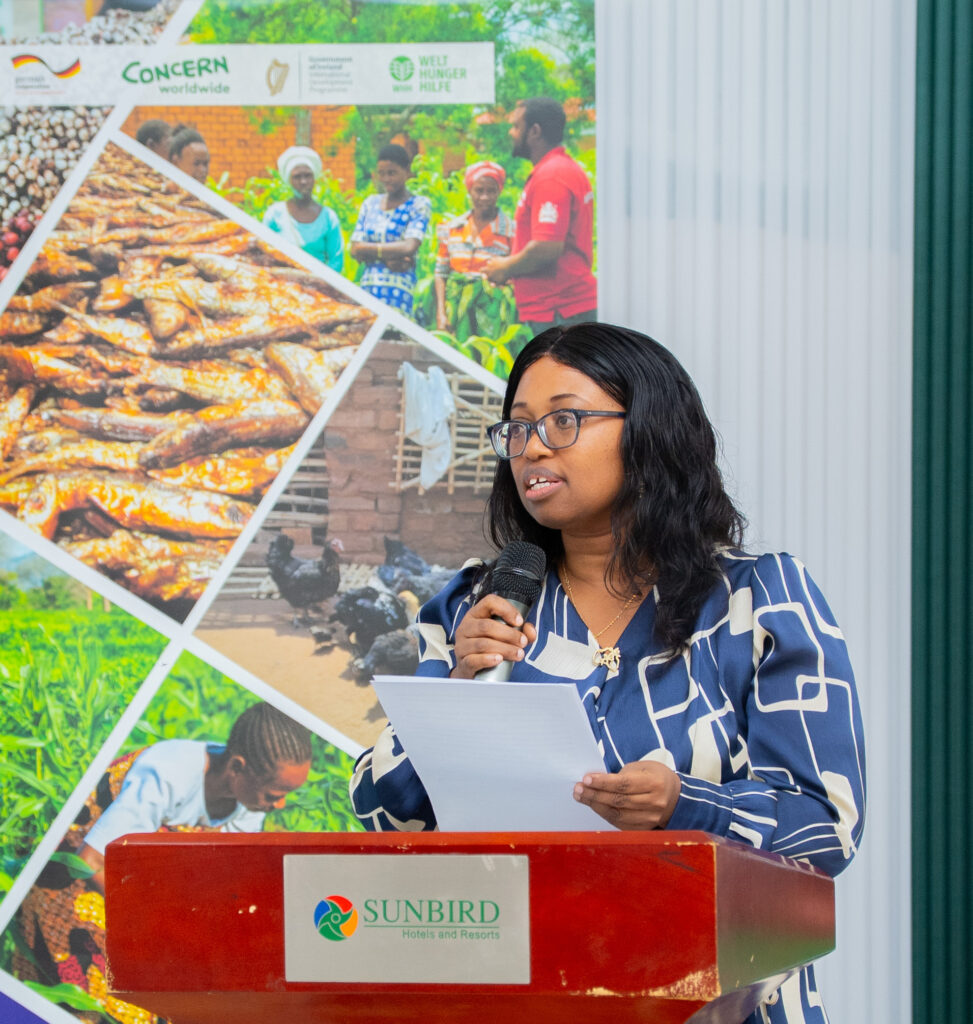
The Global Hunger Index itself was also discussed as more than an annual publication. As Susan Bipa, Country Director for Welthungerhilfe Malawi, put it, “The GHI is not just a report that is published to expose flaws in our efforts against hunger. Rather, the GHI is an important accountability tool. It helps us track progress, identify where we are falling short, and most importantly, trigger action.”
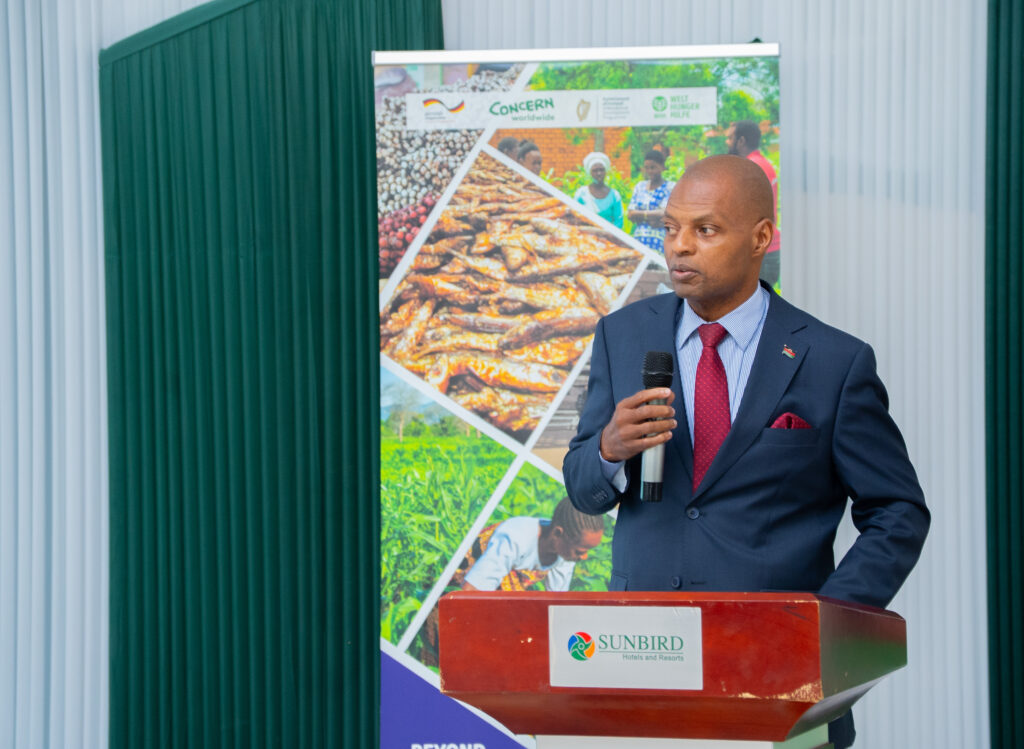
The Government of Malawi echoed this thinking. During the launch, Principal Secretary for Administration in the Ministry of Agriculture, Bennett Nkasala announced, “We are transitioning from a traditional investment model towards a systems model, recognizing that production alone will not translate to food on the plates of many Malawians.”
The announcement reflected one of the central themes of the launch: that food production alone cannot address hunger. Climate shocks, rising food prices, market access, nutrition, infrastructure and public policy all influence whether families can access healthy and affordable diets.
Implementation was another recurring theme. Malawi has developed policies and strategies to improve food and nutrition security, but speakers agreed that their impact depends on how effectively they are put into practice and sustained over time.
As the event drew to a close, Susan Bipa returned to a point that resonated throughout the day: “Evidence alone is not enough. What matters most is what we do next.”
Twenty years after the first Global Hunger Index was published, one message stood out from the discussions. Tracking progress remains important, but lasting change will depend on turning evidence into practical decisions that improve people’s lives.
Author: Isaac Msiska, Communications and Advocacy Expert, WHH Malawi
Picture credits: WHH
