
Photo credits: Cesvi
The humanitarian situation in Lebanon continues to deteriorate as hostilities intensify across the country, particularly in the South, the Bekaa valley, and the southern suburbs of Beirut. Recent waves of airstrikes and renewed displacement orders have deepened an already severe crisis, triggering new population movements and increasing humanitarian needs across affected areas.
Since the beginning of the current escalation on 2 March 2026, at least 3,613 people have been killed and 11,072 injured, including hundreds of women and children. The healthcare system remains under immense pressure, with more than 200 attacks affecting health facilities and personnel.
Beyond the immediate loss of life, the conflict has triggered large-scale displacement, which remains one of the country’s most urgent humanitarian challenges, with over one million people forced to flee their homes. Recent displacement orders and airstrikes have forced tens of thousands of additional families to flee their homes, including from Beirut’s southern suburbs.
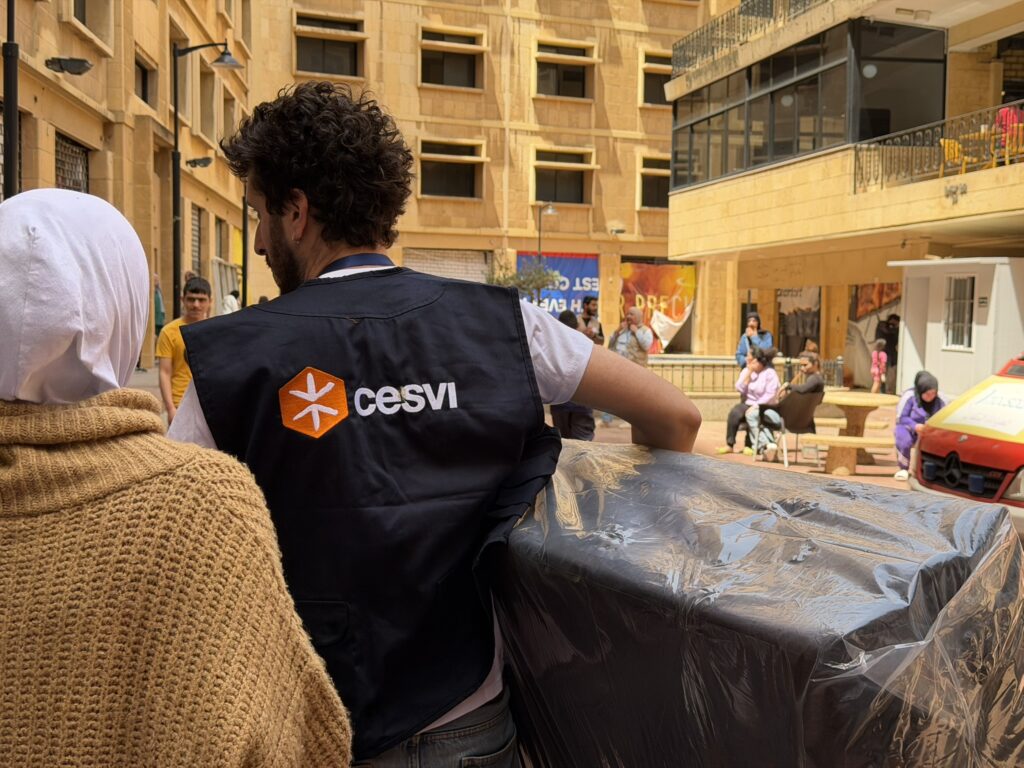
Many families continue to seek refuge in informal sites, open spaces, temporary tents, or with host communities. The renewed population movements are placing increasing pressure on already overstretched shelters and local services, particularly in Beirut, Tyre, and Saida, where available shelter capacity has been largely exhausted.
The prolonged exposure to conflict, displacement, and uncertainty is having profound consequences on the mental health and psychosocial well-being of affected communities. Families are living under constant stress, facing repeated traumatic events and an uncertain future.
Women are among those most affected. In many cases, they carry the primary responsibility for caring for children and other family members while coping with displacement, insecurity, and limited access to resources. This places them under significant emotional and psychological strain, further increasing their vulnerability. Across the humanitarian response, women and girls account for nearly two-thirds of those reached through protection services, highlighting both the scale of needs and the importance of targeted support.
In response to the worsening humanitarian situation, Alliance2015 member, CESVI has scaled up its emergency operations to address the most urgent needs of displaced and conflict-affected populations.
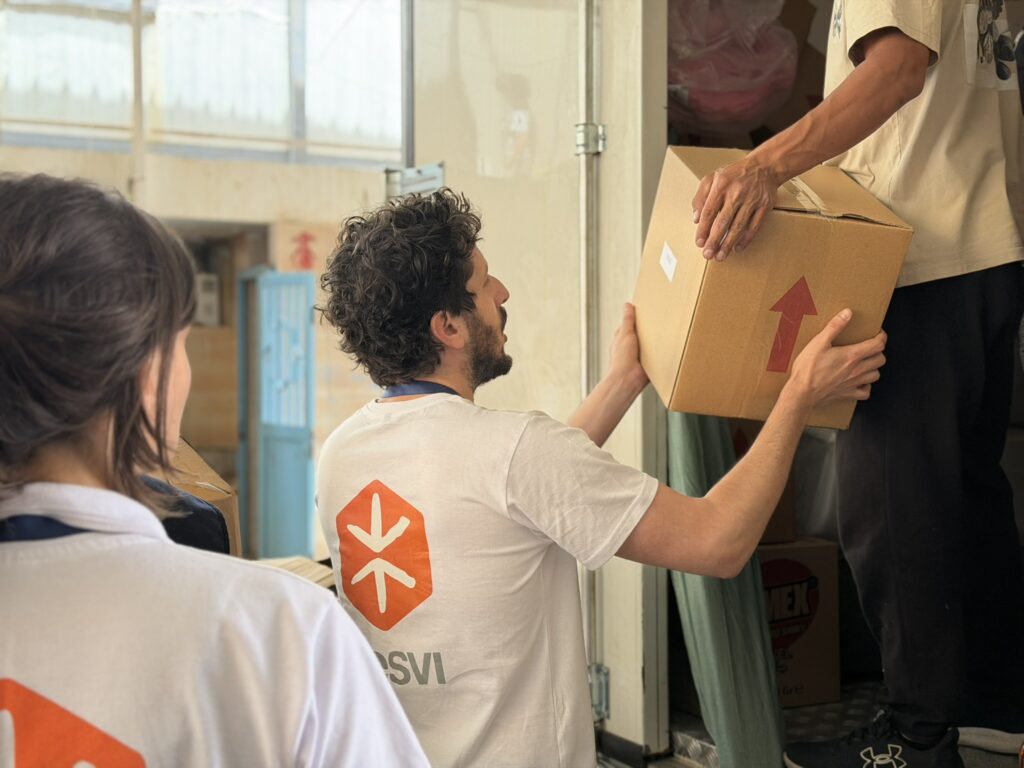
CESVI is currently distributing essential relief items, including mattresses, pillows, blankets, and hygiene kits. Attention is given to the specific needs of women and children through the inclusion of menstrual hygiene products and child-focused supplies, helping to ensure dignity, protection, and adequate care in displacement settings.
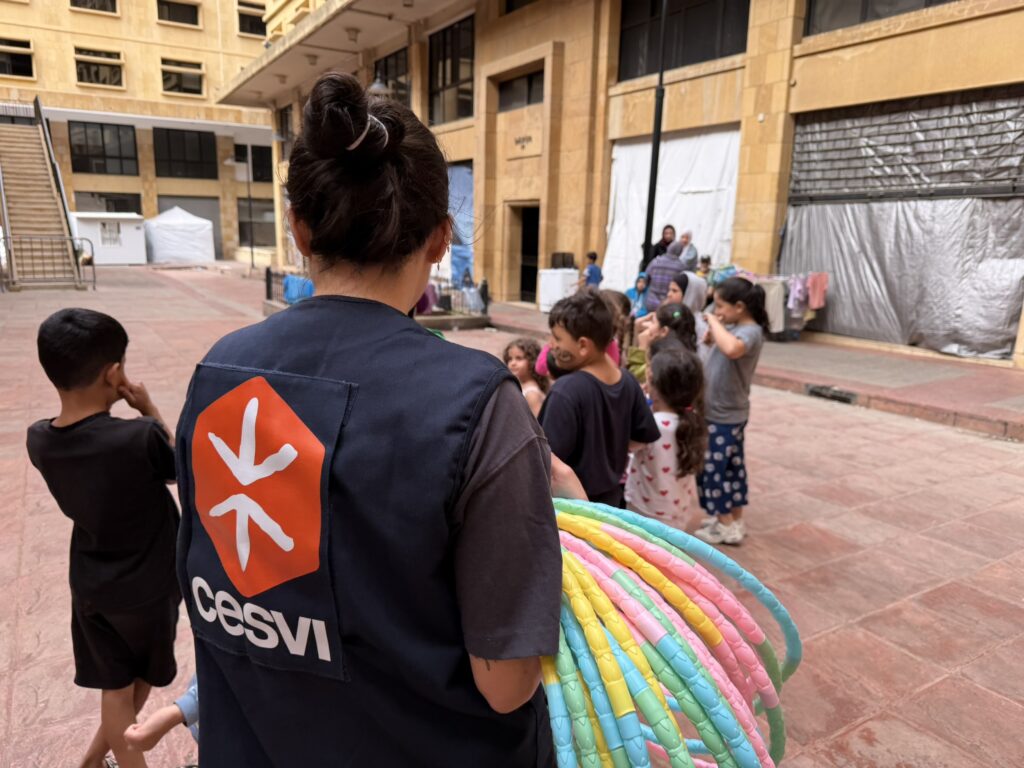
Children remain among the most vulnerable groups affected by the crisis. Continuous exposure to violence, displacement, and disruption of daily life is generating alarming levels of stress and emotional distress. The loss of access to education and safe spaces further undermines their sense of stability and normalcy.
To support children’s well-being and resilience, CESVI is implementing psychosocial support activities and creative workshops designed to provide safe environments, encourage emotional expression, and help restore routines disrupted by conflict.
Mental health needs remain widespread across affected communities. CESVI teams continue to deliver Psychological First Aid services in shelters in Beirut and the Baalbek area, providing immediate emotional support and identifying individuals requiring additional care and referral services.
As the situation in Lebanon remains highly volatile and the ceasefire increasingly fragile, humanitarian needs continue to grow. CESVI remains committed to supporting conflict-affected communities through emergency relief, psychosocial assistance, and protection services, ensuring that vulnerable populations receive the support they need during this critical phase of the crisis.
Article by Cesvi
