
In Jordan, agriculture is one of the few sectors still offering income to Syrian refugees and vulnerable Jordanians, yet that income is often unstable, informal, and exposed to climate pressure. Through the AFD- funded GrowEconomy Project, Acted is applying its 3ZERO approach at field level: Zero Poverty through stronger livelihoods, Zero Exclusion by widening access for women and vulnerable workers, and Zero Carbon, reducing environmental pressure through agroecological farming. Across Irbid, Ajloun, Balqa, and Madaba, the project is helping turn agriculture into a pathway towards dignity, resilience, and opportunities.
Zero Poverty: Turning Agriculture into a Pathway to Economic Stability
The project starts from a clear premise: poverty in rural Jordan cannot be reduced unless people can earn more reliably from the land and from the labour it creates. That is where Acted’s 3ZERO ambition becomes practical. Zero poverty means helping small farmers and labourers move beyond short-term coping and towards steadier, year-round income. In that sense, the project directly advances SDG 1– No Poverty, because it treats livelihoods as the foundation of resilience rather than a temporary safety net.
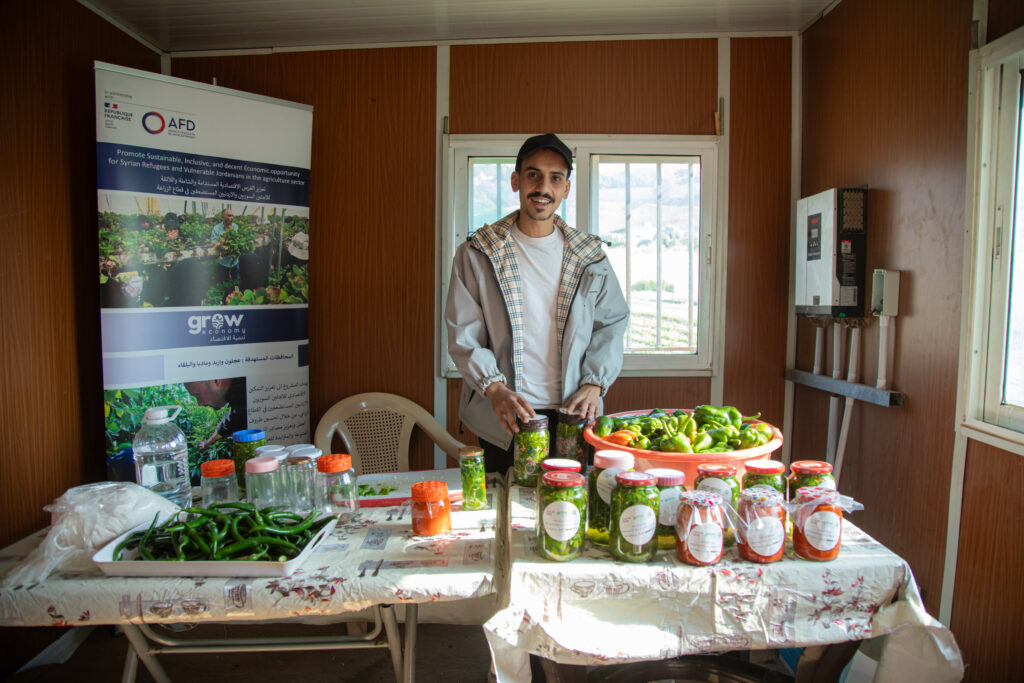
For small farmers, that begins with productivity, but it does not end there. Many farming households already know how to grow. The bigger question is whether farming can still sustain them. The GrowEconomy project supports 600 vulnerable small farming households to improve productivity, lower inefficiencies, diversify income sources, and strengthen market access through agroecological farming, business development support, and practical integration into value chains. The aim is to make livelihoods more secure while helping farmers work with Jordan’s environmental constraints rather than against them.
Zero Carbon: Promoting Climate-Resilient Agriculture
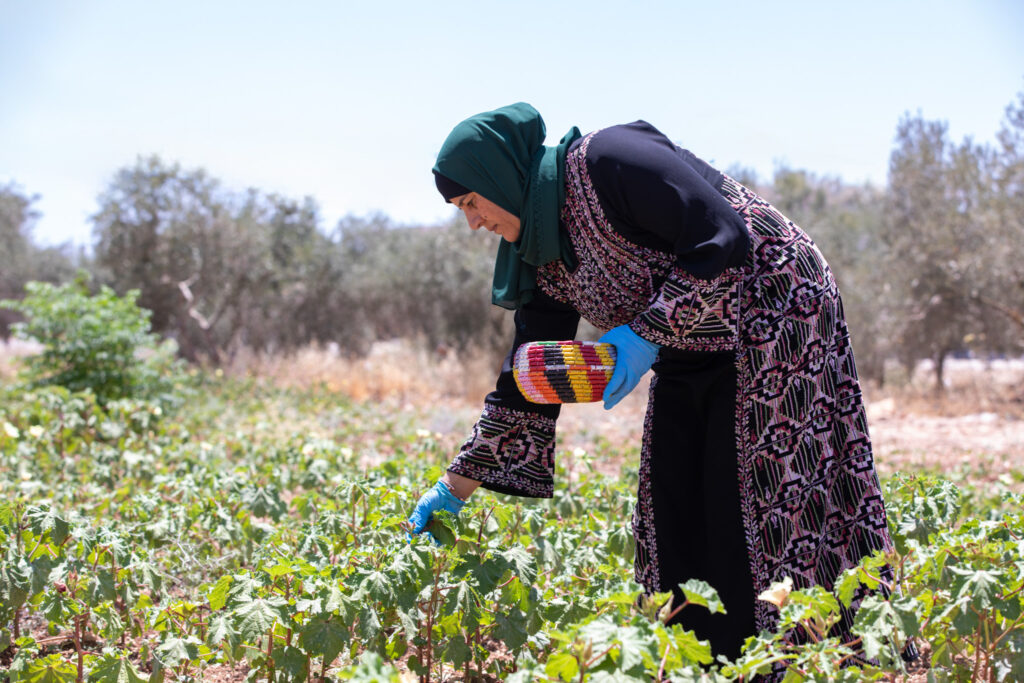
That environmental dimension is essential. In Jordan, farming takes place under severe pressure from water scarcity, rising costs, and climate variability. A project that increases income while exhausting natural resources would only postpone the crisis. The project therefore brings Zero carbon into the heart of its economic model by promoting agroecological practices, climate-adaptive production, and more regenerative approaches to farming. Environmental sustainability is not treated as an add-on. It is part of what makes income sustainable in the first place.
Zero Exclusion: Ensuring Fair and Inclusive Opportunities for Agricultural Workers
- 1,500 vulnerable agricultural labourers benefiting from enhanced employability and year-round income opportunities through training, market linkages, referral systems, and job counselling
- 600 women reached through labour focused support
- 3000 people sensitised on labour standards
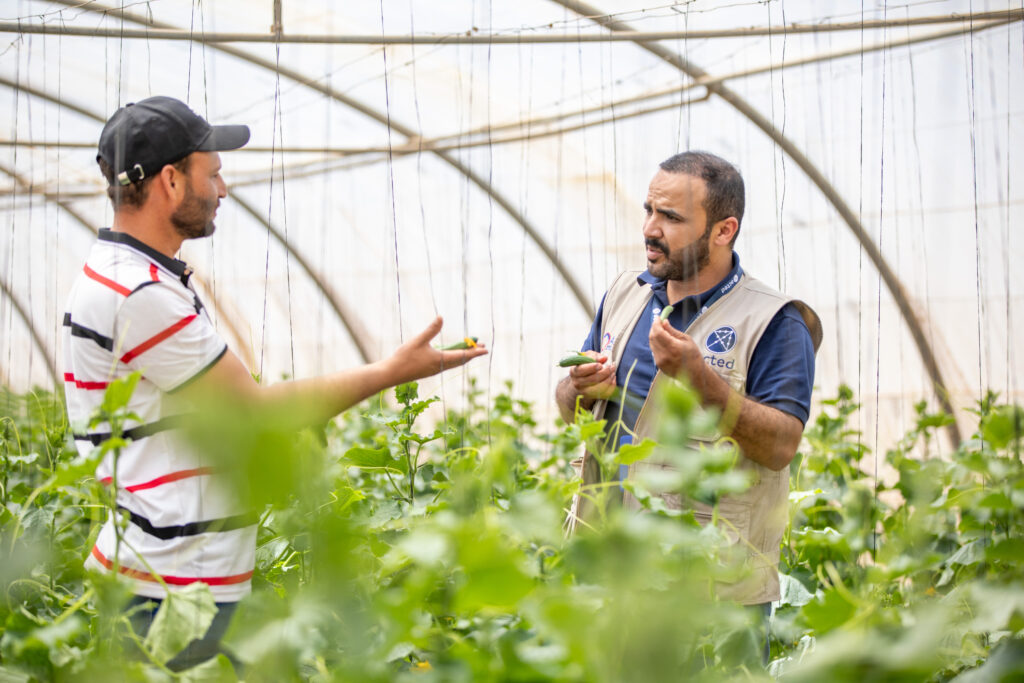
The same logic shapes the project’s work with agricultural labourers. For many daily workers, especially women, the problem is not simply unemployment. It is being trapped in jobs that are seasonal, poorly protected, underpaid, or difficult to access at all. The project responds by improving employability and access to income for 1,500 agricultural labourers through technical training, market linkages, and job counselling. This is where SDG 8- Decent Work and Economic Growth comes into focus. The project is concerned with work, but with decent work: safer conditions, stronger skills, better access to opportunities, and more dignified terms of participation in the sector.
This effort is also deeply tied to Zero exclusion. In agriculture, exclusion often operates quietly. It appears in who gets information, who can travel for work, who is taken seriously as a producer, who is offered training, and who is left with the lowest-paid roles. Women face these barriers sharply, even though they are central to agricultural production. By ensuring that at least 600 women are reached through labour-focused support, and by addressing the specific constraints that limit women’s economic participation, GrowEconomy the project gives practical expression to SDG 5- Gender Equality. Gender equality here is not framed as a separate objective on the side. It is part of whether the sector becomes fairer at all.
The project’s inclusion lens also extends to refugees and vulnerable Jordanians more broadly. In Jordan’s current context, inequality is often reinforced by who can access land, jobs, markets, and support systems, and who cannot. The project addresses that divide by designing one programme that brings both communities into the same economic space, with equal attention to opportunity, rights, and visibility. That is how the project contributes to SDG 10- Reduced Inequalities. It works to reduce inequalities not through rhetoric, but by widening access to the tools, services, and market connections that allow people to participate on stronger footing. Yet, income and access alone do not define a just agricultural sector. Conditions matter. Rights matter. Protection matters. In too many cases, agricultural labour is still shaped by informality, weak labour standards, and risks that fall hardest on the most vulnerable. That is why the project includes a strong decent work component, sensitising 3,000 people on labour standards, working conditions, and child safeguarding. It also invests in children directly through life-skills and child-focused initiatives. This matters because labour exploitation and child vulnerability are not side issues in contexts of economic strain. They are often part of the same story. A livelihoods programme that ignores them would miss the reality families are living.
The project also looks beyond individuals to the systems around them. Strengthening 40 focal points, supporting community-based organisations, building advocacy champions, and convening national dialogue forums helps shift agriculture from a space of isolated struggle to one of shared responsibility. Farmers, labourers, civil society actors, and institutions all have a role in shaping what decent, inclusive, and sustainable agriculture looks like in Jordan. These efforts help anchor the project’s results beyond direct service delivery and into local capacity, accountability, and ownership.
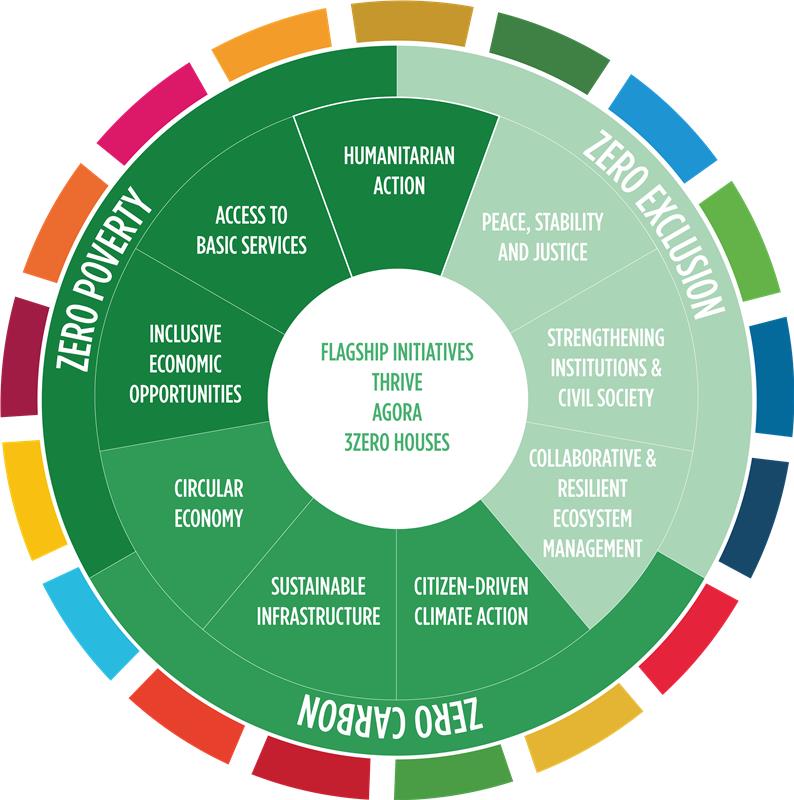
The Grow Economy project therefore is an attempt to reshape how opportunity is created in a sector that many vulnerable families depend on but few can rely on with confidence. It treats income, inclusion, labour rights, and environmental sustainability as part of the same equation. That is what makes Acted’s 3Zero vision meaningful here. It is visible in the farmer trying to earn from her land without exhausting it, in the labourer seeking work that is safer and more regular, and in the woman entering a value chain that has too often overlooked her contribution. Through this GrowEconomy project, Acted is working to make that future more possible.
Article by: Acted
