

Photo: CESVI
As Ukraine enters the fifth year of full-scale war, the humanitarian crisis remains severe. Relentless attacks on civilians and critical infrastructure, repeated displacement and the progressive degradation of essential services continue to shape daily life across the country.
Last year, the intensity and geographic reach of hostilities escalated further, making it the deadliest year for civilians since the start of the full-scale invasion. Homes, hospitals, schools, energy facilities and transport networks have been repeatedly struck. The reported expanded use of mines, cluster munitions, glide bombs, missiles and drones has brought attacks deeper into major cities and areas previously considered relatively safer.
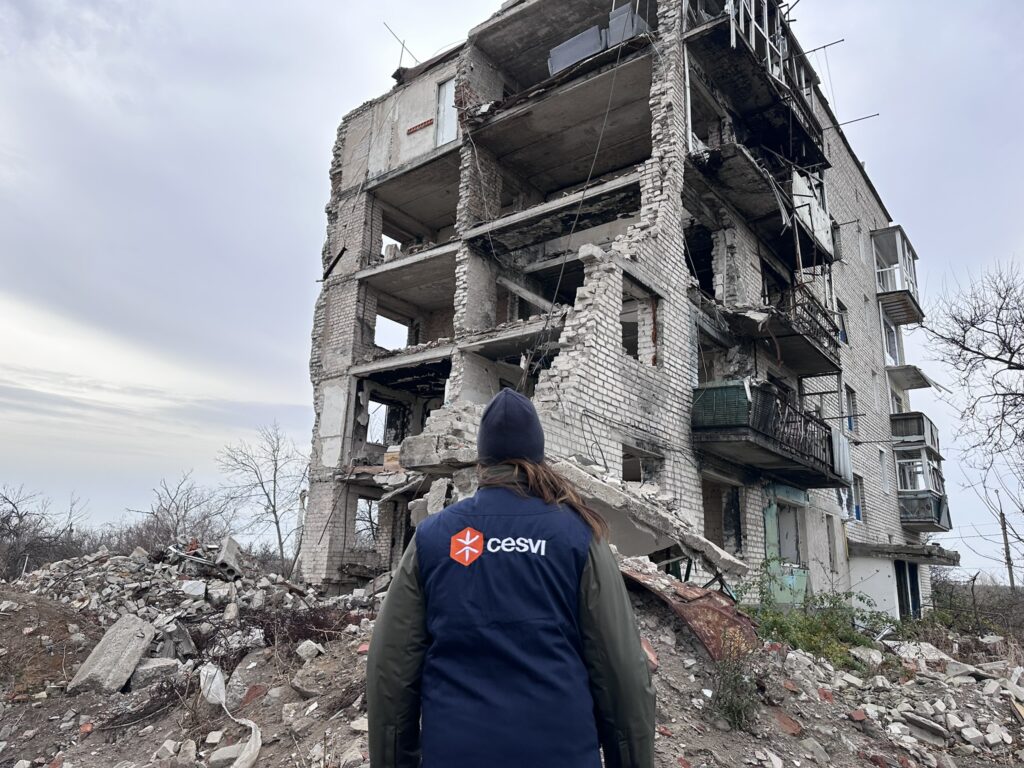
Humanitarian needs remain immense. In 2026, 10.8 million people – around one in three Ukrainians –will require humanitarian assistance, including nearly 2.4 million children. Around 3.7 million people remain internally displaced, meaning that one in ten Ukrainians is living away from home. Nearly 90 per cent of strikes and more than half of civilian casualties occurred within 20 kilometres of the front line, where entire communities have been devastated and coping capacities are exhausted.
Vulnerable groups – including children, women and girls, older people, people with disabilities, single-headed households and minorities – are disproportionately affected. Reports of gender-based violence have increased significantly since 2022, while half of all children are estimated to be at risk of mental distress. Education remains heavily disrupted, with hundreds of schools damaged or destroyed and many children still learning fully or partially online. At the same time, damage to water systems, energy infrastructure and health facilities continues to undermine access to basic services, particularly during the harsh winter months.
Since the first days of the full-scale invasion in February 2022, CESVI has responded to the evolving humanitarian crisis both inside Ukraine and in neighbouring countries hosting refugees. Initially focused on emergency relief – providing shelter, basic assistance, healthcare and protection services – the intervention progressively evolved towards longer-term protection, mental health support and community resilience.
Over nearly four years of continuous engagement, CESVI has reached approximately 180,000 people, accompanying communities from the immediate emergency phase through recovery efforts and ongoing protection support.
CESVI’s current response: protection, mental health and mine risk education
In this volatile and protracted crisis, CESVI concentrates its work in Kharkiv and Sumy oblasts – areas heavily affected by shelling, displacement and contamination by mines and explosive remnants of war. Through mobile units and strong collaboration with local partners and authorities, CESVI delivers an integrated response centred on three pillars: protection services, mental health and psychosocial support (MHPSS), and explosive ordnance risk education (EORE).
Protection: reducing risks and strengthening local systems
In frontline and recently affected communities, protection risks are acute. Displacement, economic hardship, family separation and insecurity increase exposure to violence, exploitation and abuse.
CESVI conducts regular protection monitoring in healthcare facilities and collective centres in the raions of Okhtyrskyi (Sumy), and Berestynskyi and Iziumskyi (Kharkiv). This monitoring helps identify urgent cases, analyse trends and inform coordinated action with local authorities and service providers.
A central element of the intervention is case management. Trained case managers support vulnerable individuals throughout the entire process – from identification and assessment to referral and follow-up – ensuring access to health, legal, social and psychosocial services. Specialised assistance is provided to survivors of gender-based violence, in line with survivor-centred and rights-based approaches.
Where financial constraints increase exposure to protection risks, CESVI provides targeted cash-for-protection support. This flexible assistance helps families secure safe accommodation, obtain documentation, cover transport to safer areas or address urgent needs that could otherwise push them towards negative coping strategies.
At the same time, CESVI invests in strengthening local protection systems. Through service mapping, updated referral pathways and structured training for local authorities, social workers, teachers and frontline service providers, the organisation reinforces community-level capacity to identify risks early and respond effectively.
Mental health and psychosocial support: addressing the invisible wounds of war
After years of conflict, the psychological impact on civilians is profound. Anxiety, depression, insomnia and chronic stress are widespread, particularly among people living close to the front line and those who have experienced displacement.
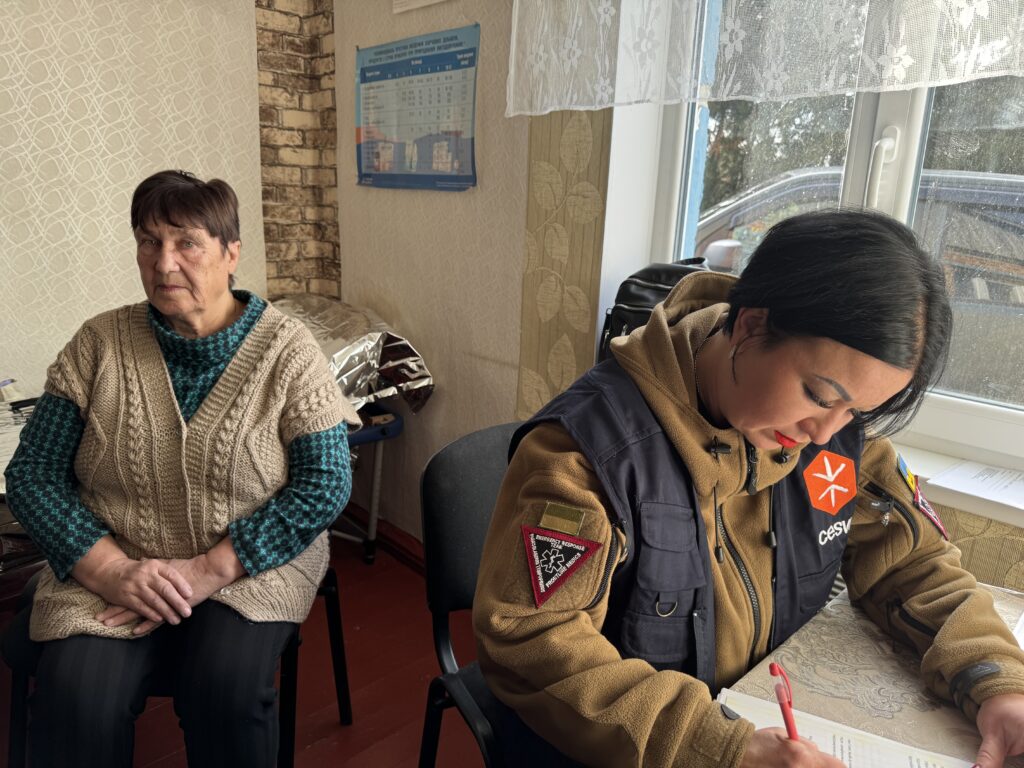
In Kharkiv and Sumy oblasts, CESVI deploys mobile teams composed of psychologists and case managers to deliver structured, non-specialised MHPSS services. These include individual counselling sessions and group-based activities tailored to adolescents, older people, women-headed households and persons with disabilities.
The approach is grounded in internationally recognised methodologies, including psychological first aid, problem-solving techniques and elements of cognitive behavioural therapy. For more complex cases, beneficiaries are referred to specialised psychiatric or clinical services to ensure continuity of care.
CESVI has also established dedicated MHPSS Corners – safe and confidential spaces within community or partner facilities – where individuals can receive first-line psychological support, brief counselling and orientation to available services. These spaces are crucial in reducing stigma, encouraging help-seeking behaviour and rebuilding a sense of trust and social connection within communities.
Community awareness sessions further promote understanding of mental health, strengthen coping mechanisms and empower local actors to recognise early signs of distress.
Mine risk education: protecting lives in contaminated environments
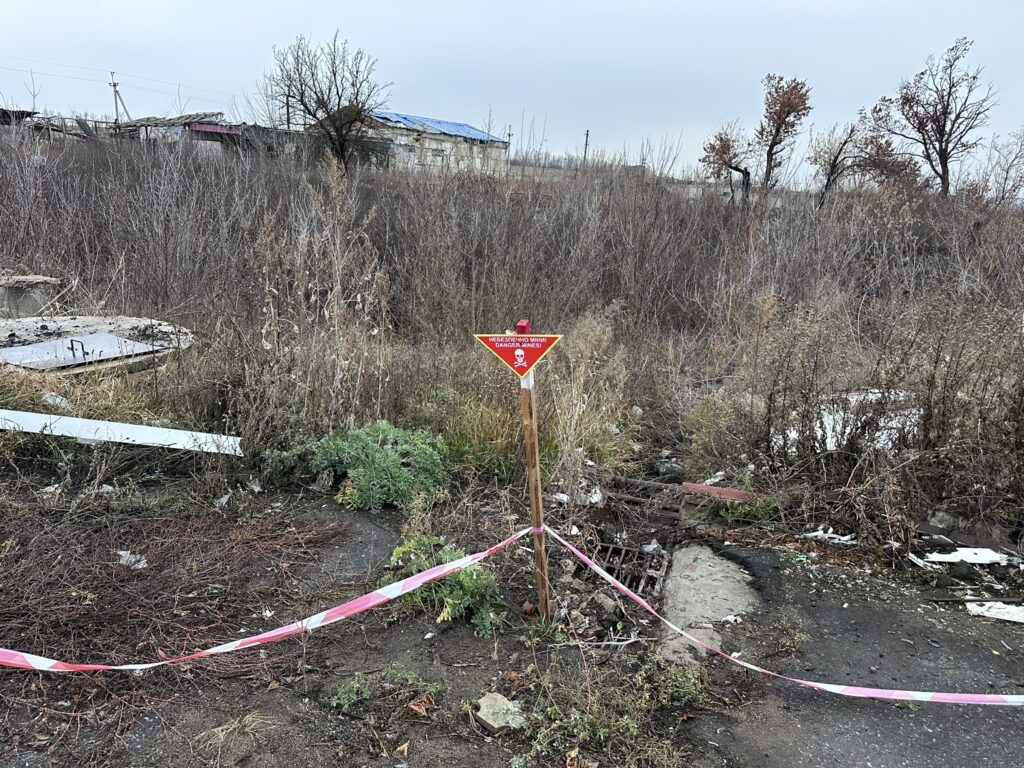
Explosive contamination remains one of the most pervasive and long-term threats to civilian safety. Large areas of Ukraine are at high risk of contamination by mines and unexploded ordnance, severely limiting safe movement, access to agricultural land, returns to damaged homes and reconstruction efforts.
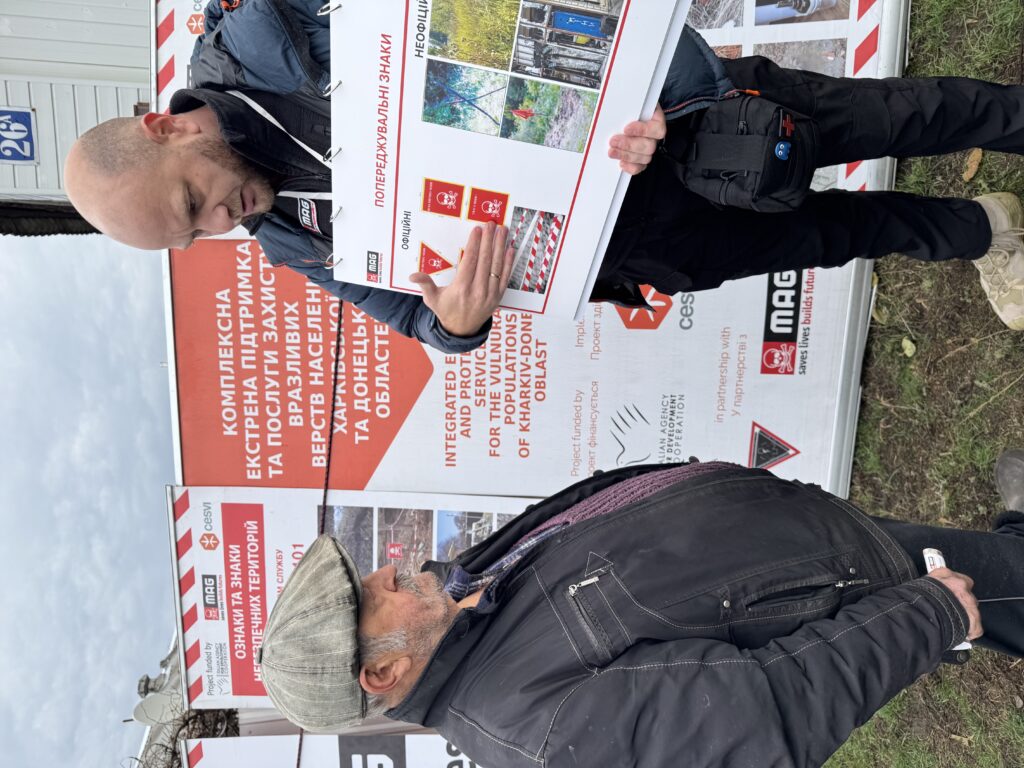
In Kharkiv oblast – one of the most affected regions – CESVI implements a comprehensive explosive ordnance risk education programme designed to promote safer behaviours and community resilience.
Innovative and participatory approaches are central to this work. Mobile community theatre workshops create safe spaces for dialogue and reflection on risks and safe practices. Documentary short films and real-life testimonies amplify the voices of survivors and affected residents. Digital campaigns, street art initiatives and travelling photo exhibitions engage young people and community leaders in spreading life-saving messages. A national conference further supports coordination among institutions and mine action actors, strengthening collective efforts to protect civilians.
Reaching communities under pressure
CESVI’s current activities focus on the raions of Iziumskyi and Berestynskyi in Kharkiv oblast and Okhtyrskyi in Sumy oblast. Through its ongoing projects, the organisation aims to reach more than 22,700 people – including women, children, internally displaced persons, older people and persons with disabilities – with life-saving services, psychosocial support, protection assistance and mine risk prevention activities.
In a context where insecurity, displacement and service disruption are overlapping and long-lasting, CESVI’s integrated approach responds to both immediate risks and longer-term vulnerabilities. By working directly within affected communities – strengthening local systems, restoring access to essential support and promoting safer environments – CESVI contributes to helping families regain stability, resilience and dignity despite the continued uncertainty of war.
