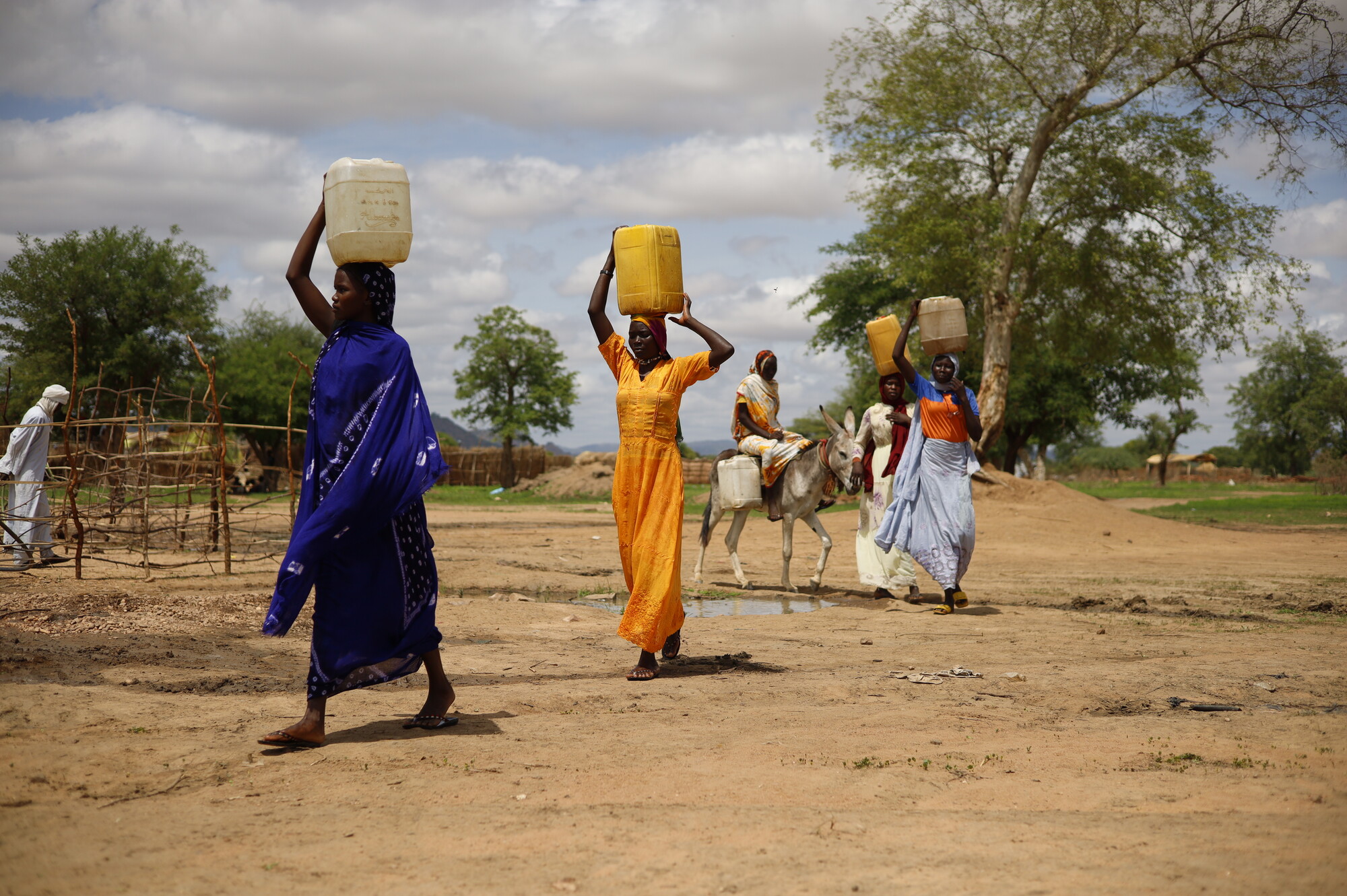
Women collecting water at new water point near Dogdore, Sila Province, Chad. Photo: Concern Worldwide
“We are determined to be able to assist the community, even if it is far, even if the access is difficult.”
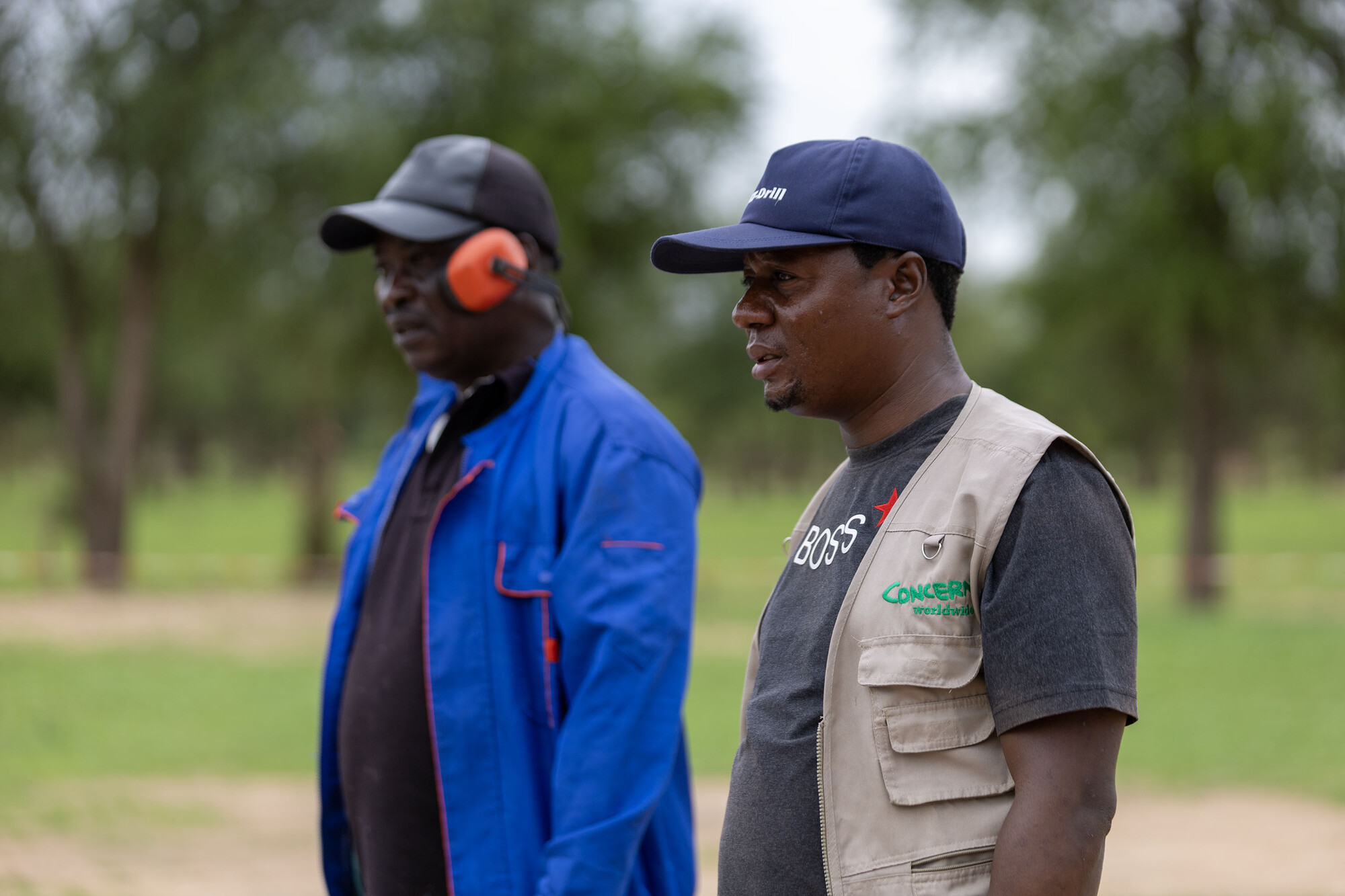
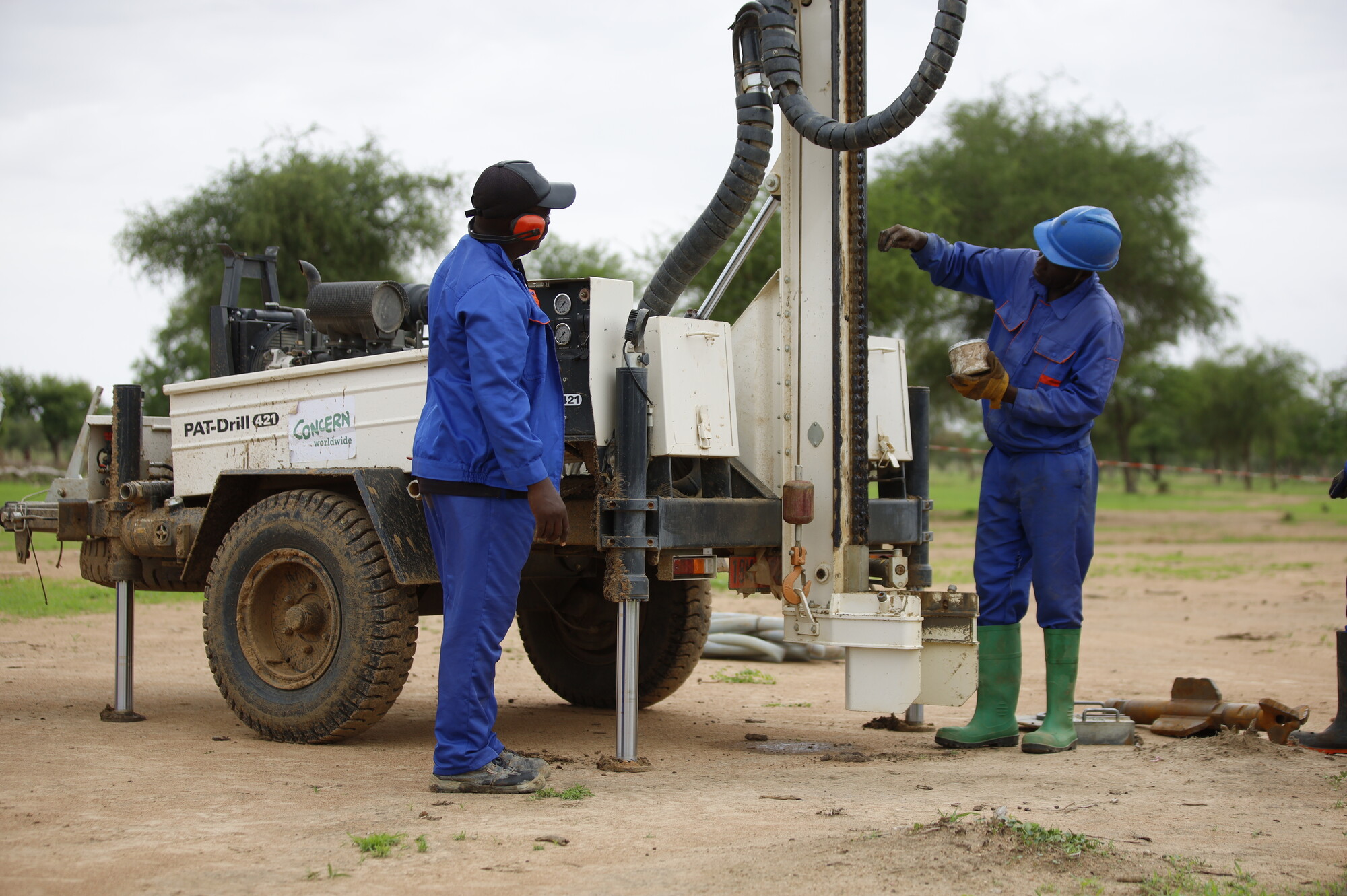
In rural Chad, Lionel Zantoko looks on as a two-tonne drill, squatting on four retractable legs, roars into the earth. He is here to bring water.
As a project manager with Alliance2015 member Concern Worldwide, Lionel and his team travel across eastern Chad, navigating unpaved roads and insecurity, to drill boreholes for wells. Today, he is 40KM from base: “Our objective is to go and provide assistance to the people, wherever they are.”
Chad is one of the world’s poorest countries. In 2024, 36.5% of Chadians lived in extreme poverty, defined by the World Bank as living on less than $2.15 per day.
In recent years, climate change and insecurity have made life even harder for Chadians.
Extreme heatwaves, with temperatures of up to 50 °C, are broken by torrential rainfall and flooding. Conflict in neighbouring Sudan has pushed nearly 900,000 refugees into Chad, placing further strain on a country with limited resources.
In this dry region, the availability of water is especially important for peaceful coexistence between refugee and host communities.
Throughout June and August 2025, the ‘lean season’ between harvests, approximately 3.36 million people in Chad experienced severe food insecurity.
What does this mean?
Families stop eating consistently, missing meals, leading to more cases of acute malnutrition. Young children suffer the most.
A lack of clean water makes a bad situation worse. Without clean water, for both drinking and washing, children fall ill. Suffering fever, diarrhoea and vomiting, they rapidly lose weight. Their lives hang in the balance.
The EU and Concern
Concern, in partnership with the European Union, is improving access to clean water in Sila Province, Eastern Chad, the area most affected by the crisis in neighbouring Sudan. The project is supporting both refugee and host communities.
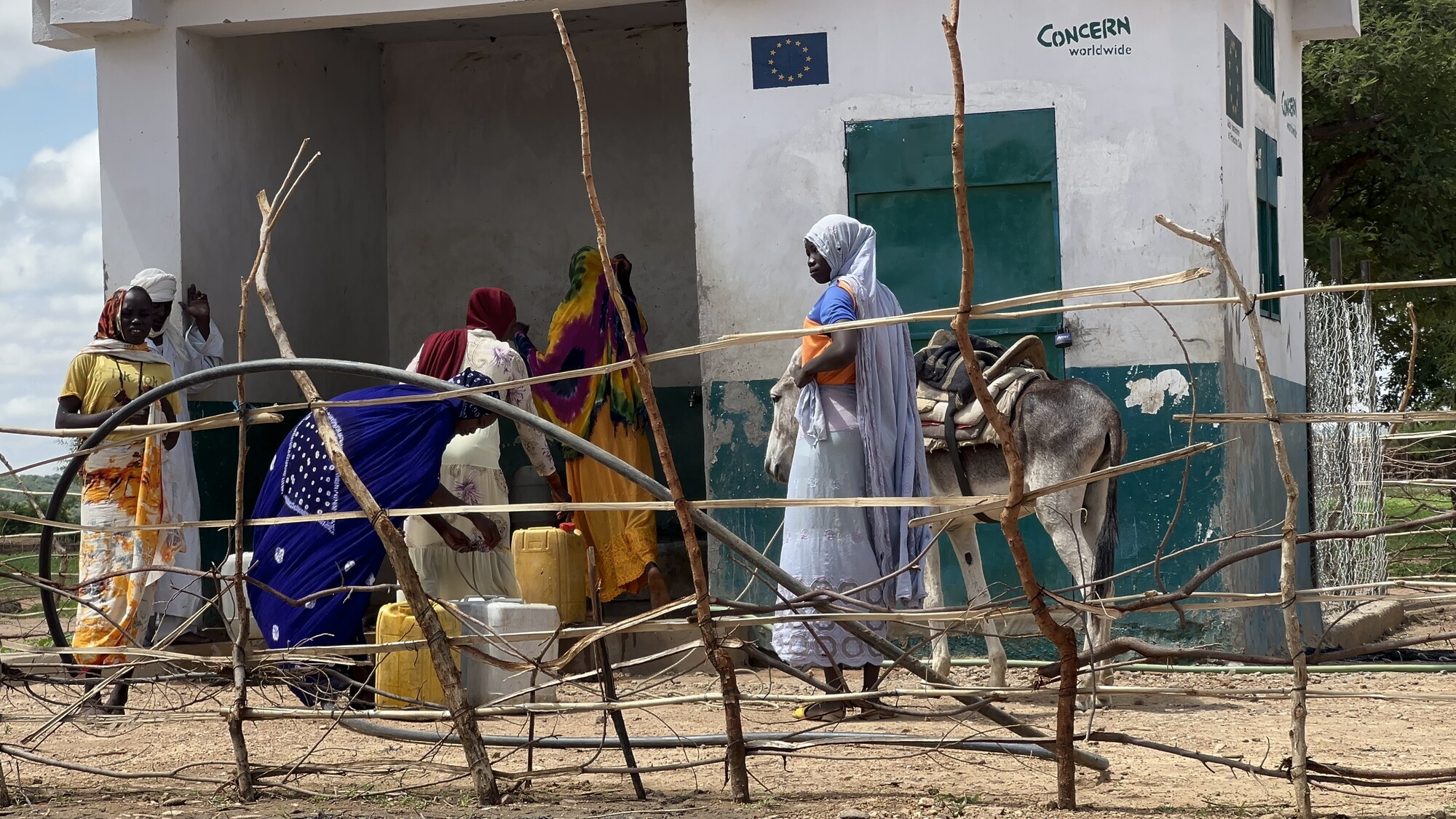
Concern has constructed 21water points, and rehabilitated 15 more, benefitting just over 60,000 people.
Concern also distributed 1,200 clean water and hygiene kits. These kits contain soap, chlorine tablets (for water treatment), jerrycans, menstrual products, and other items.
After Concern drills the water borehole, the community takes responsibility for maintenance and management. Concern trained 240 people (more than half of them women) to work in water point management committees, and 26 people in water pump repair.
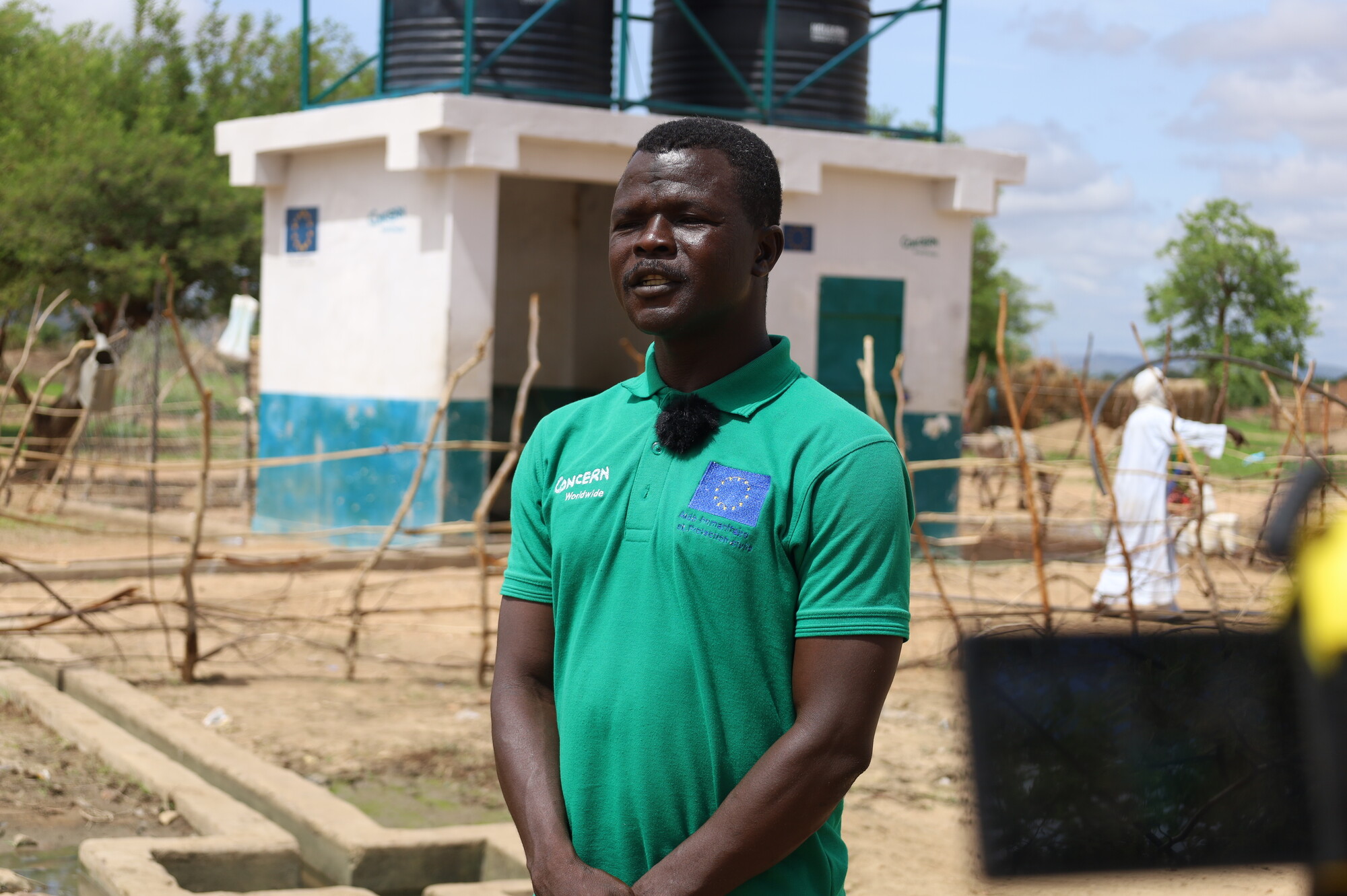
Hissene Hassane Abdoulaye, Community Facilitator with Concern, says: “before the intervention of Concern, there were a lot of water diseases, such as malaria, diarrhoea, typhoid, and so on. Now, all these kinds of diseases have already disappeared.”